Jugal Ghat, Vrindavan, Mathura
Email: radhekanthimala@gmail.com
Phone: +91 88688 62825
No products in the cart.
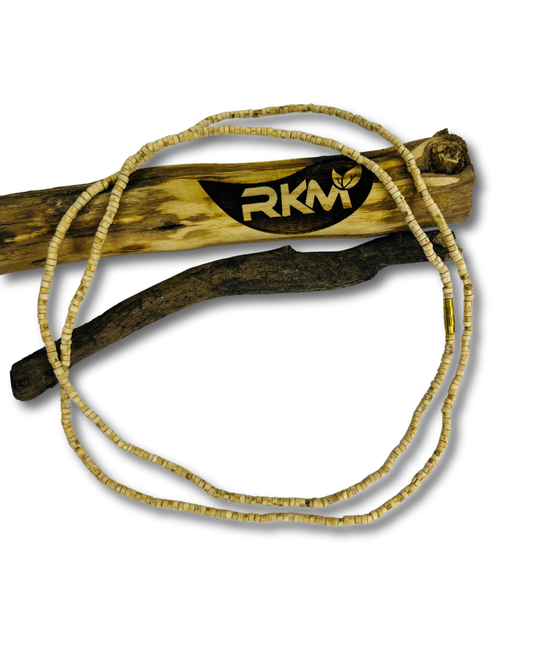
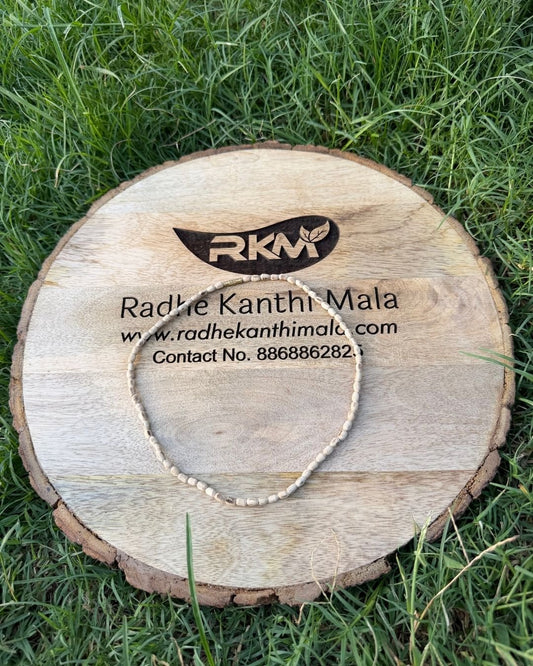
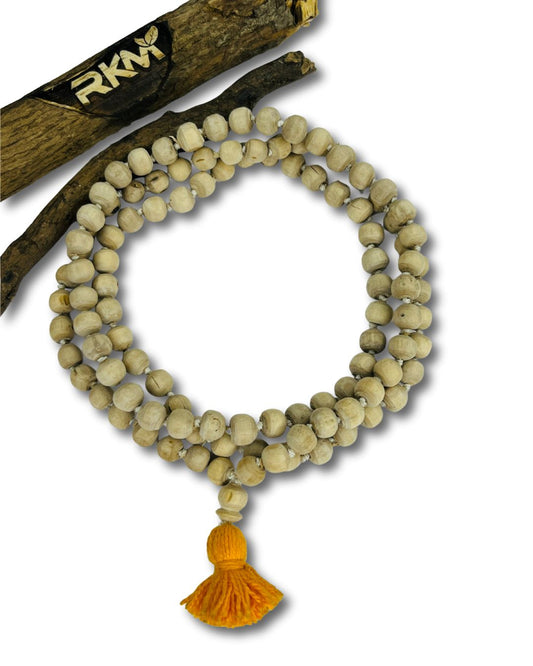
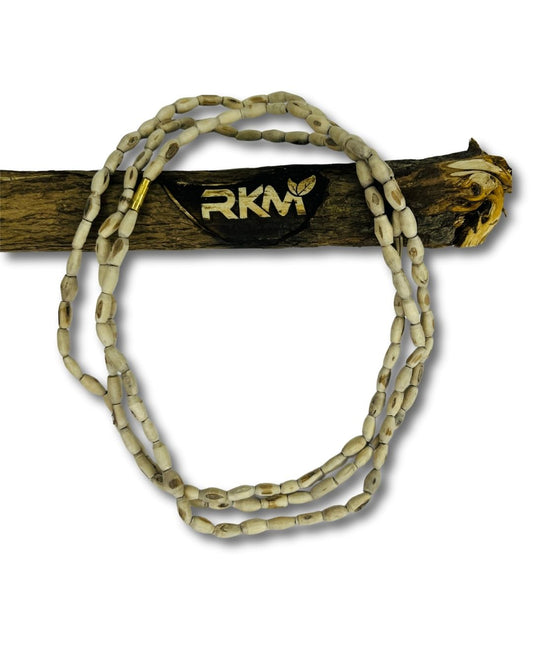
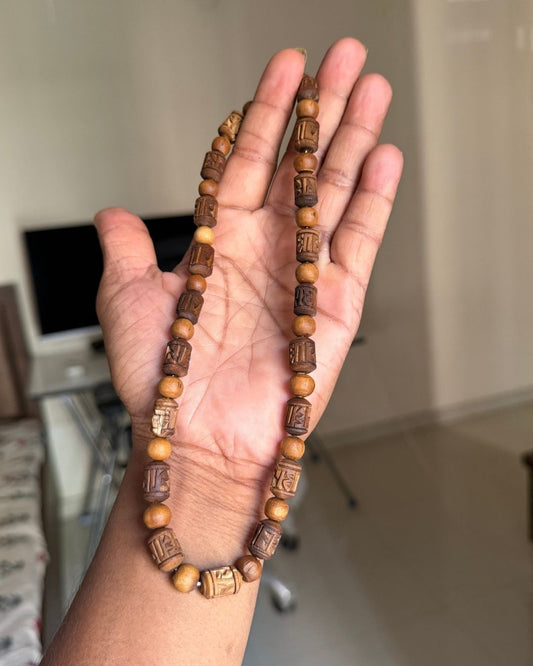
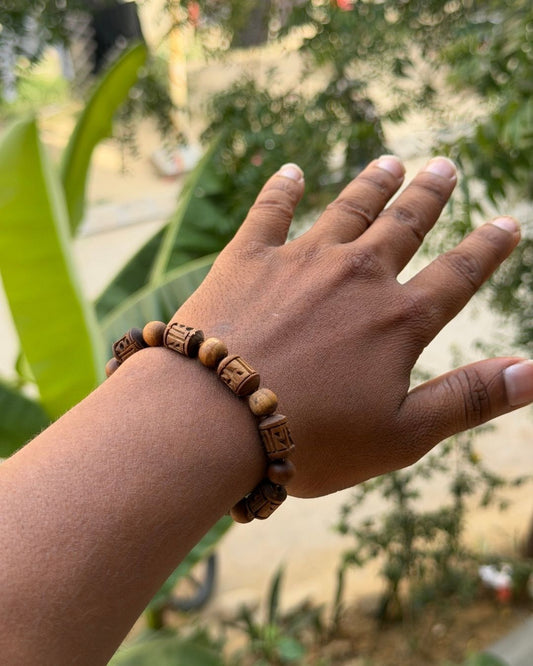
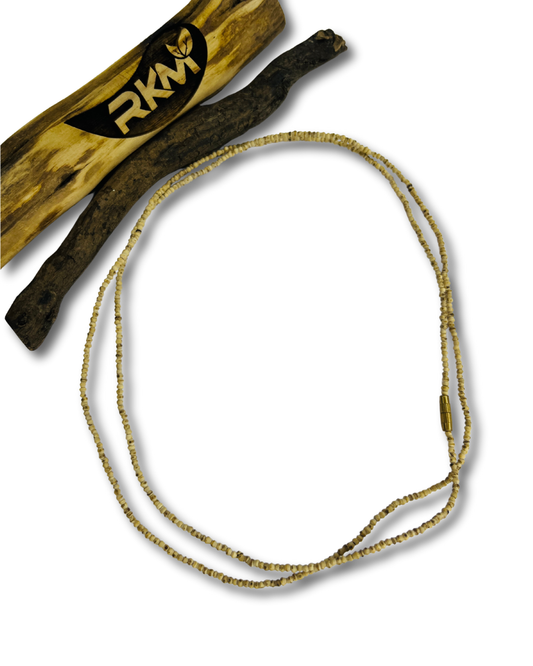
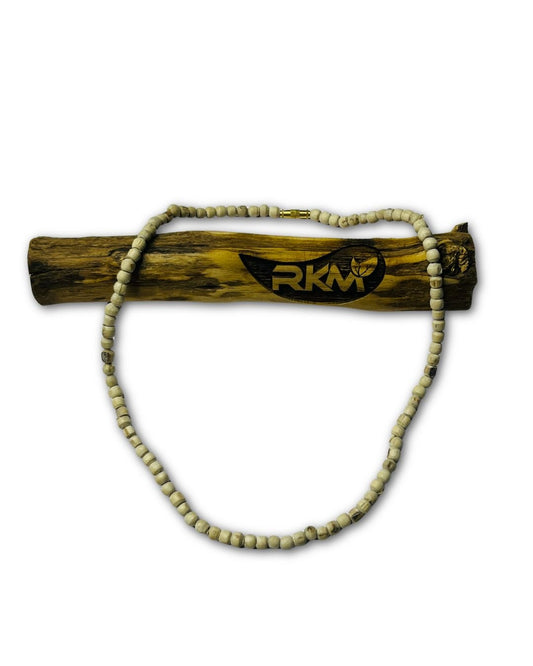
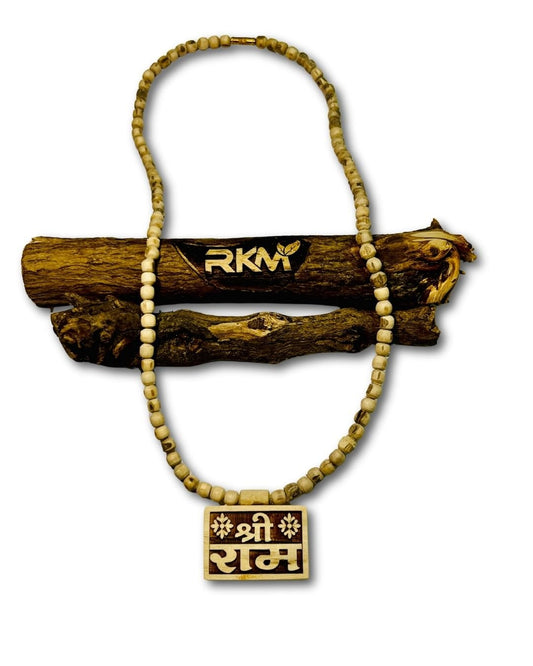
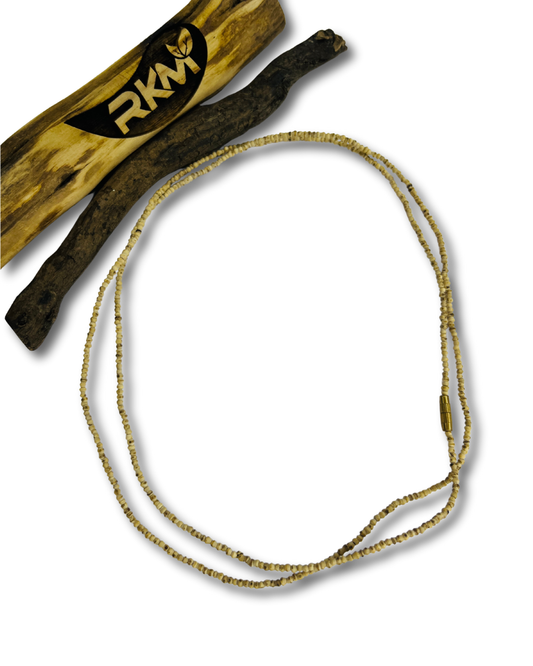
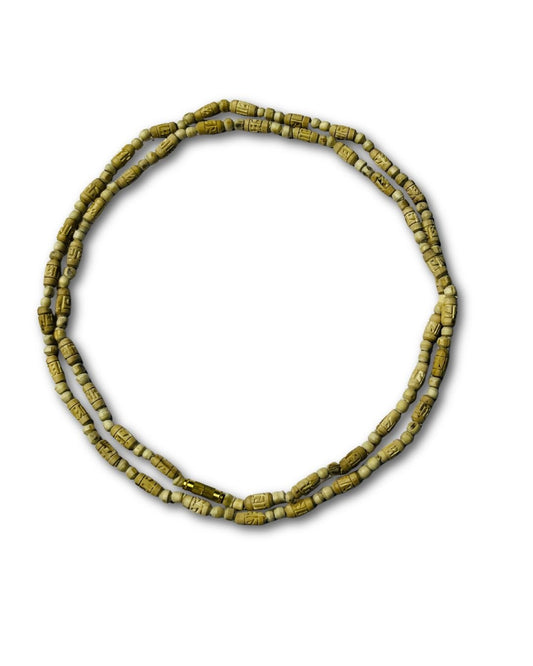
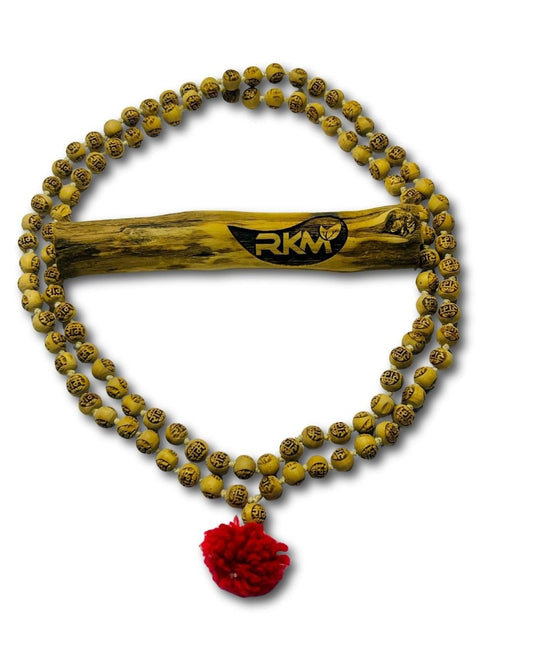
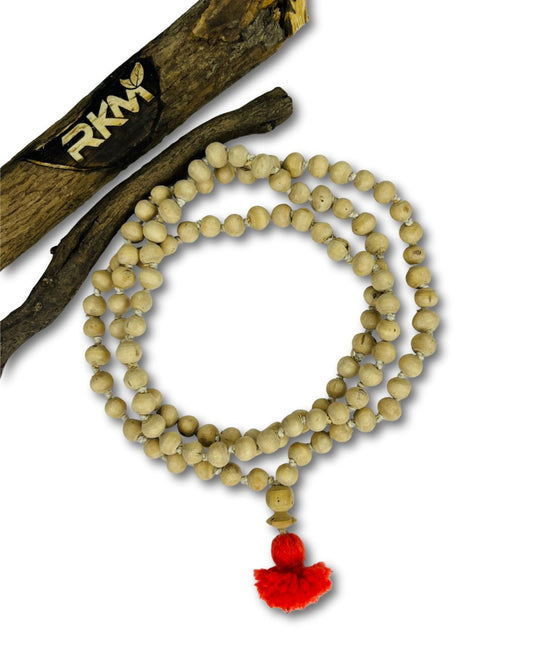
Return To ShopRadhe Kanthi Mala is a devotional brand offering authentic Tulsi Mala crafted with purity, devotion, and traditional Vaishnav values. Our Tulsi malas are prepared using naturally grown Tulsi wood sourced from Vrindavan.
Each mala is carefully handcrafted to ensure comfort, durability, and spiritual integrity, making it suitable for daily wear, jap, and meditation. We focus on authenticity and quality rather than mass production.
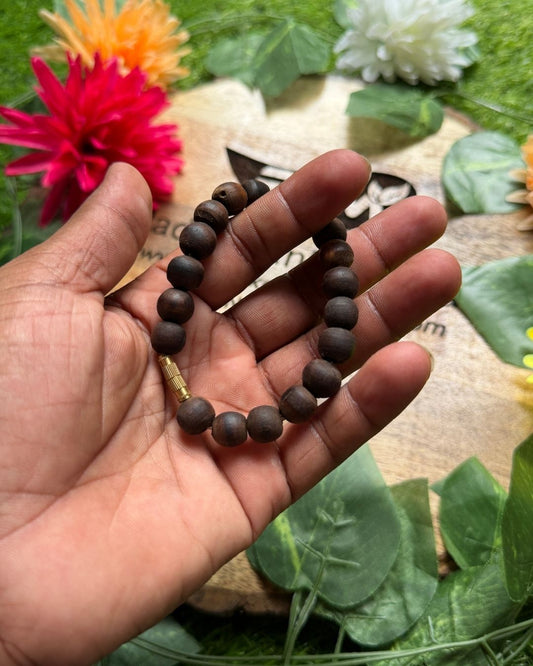
Trusted by devotees across India, Radhe Kanthi Mala stands for faith, tradition, and genuine spiritual products.
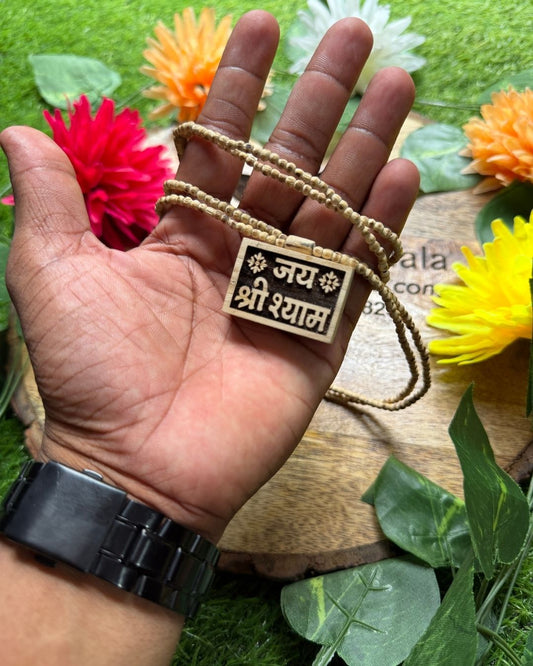
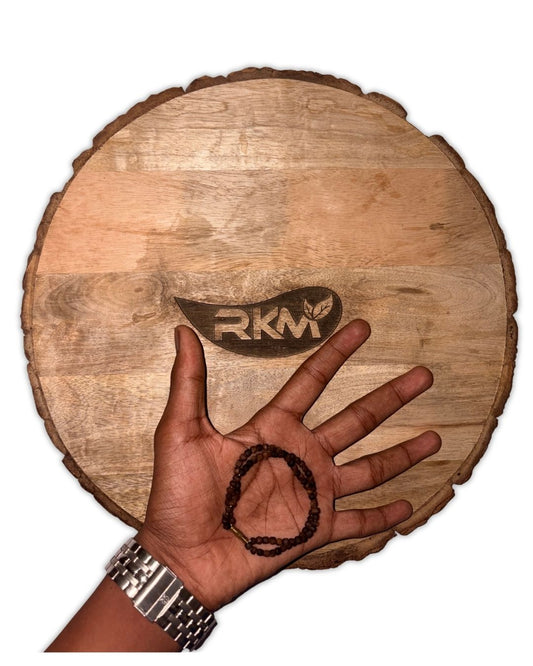
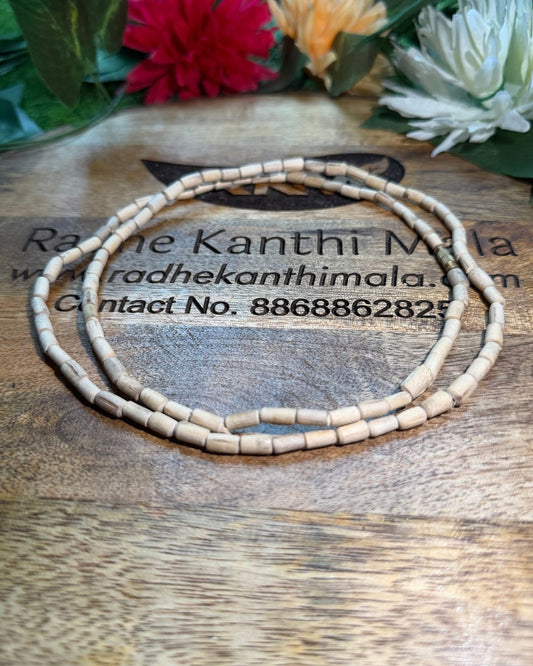
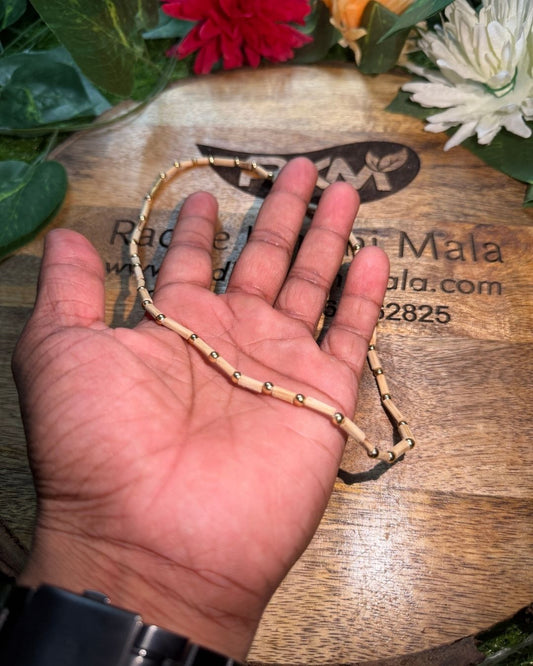
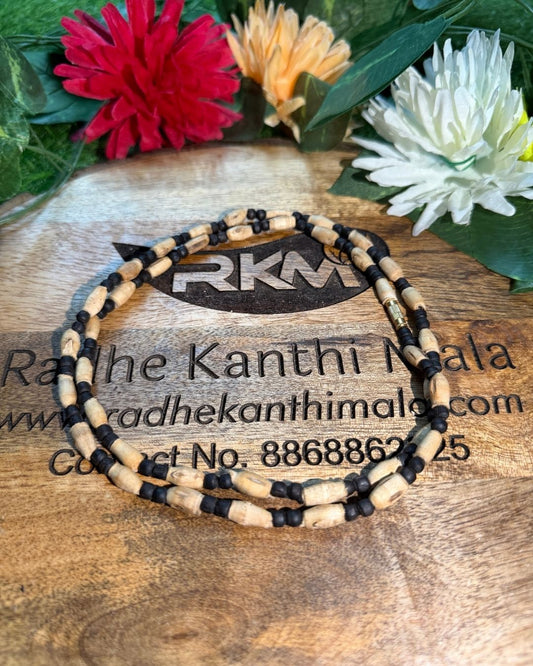
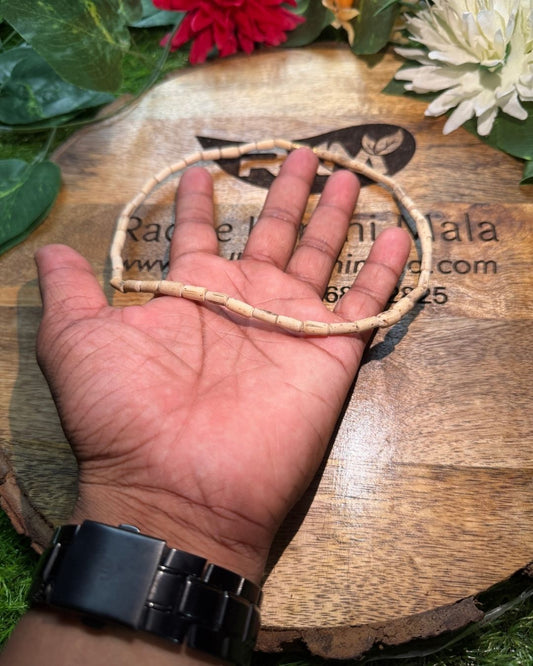
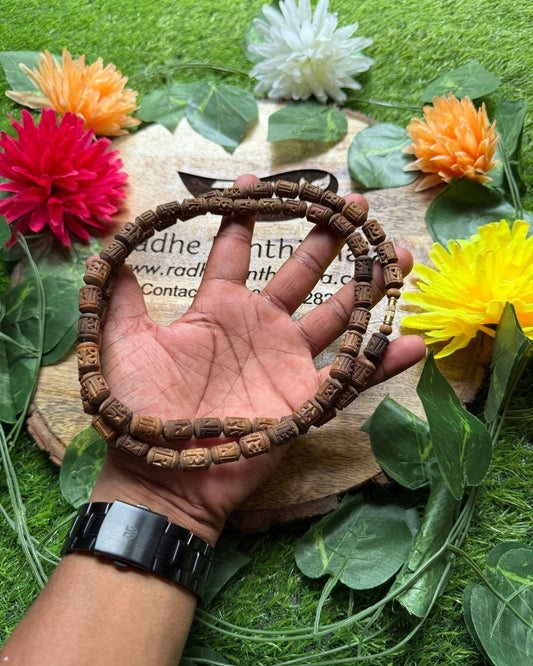
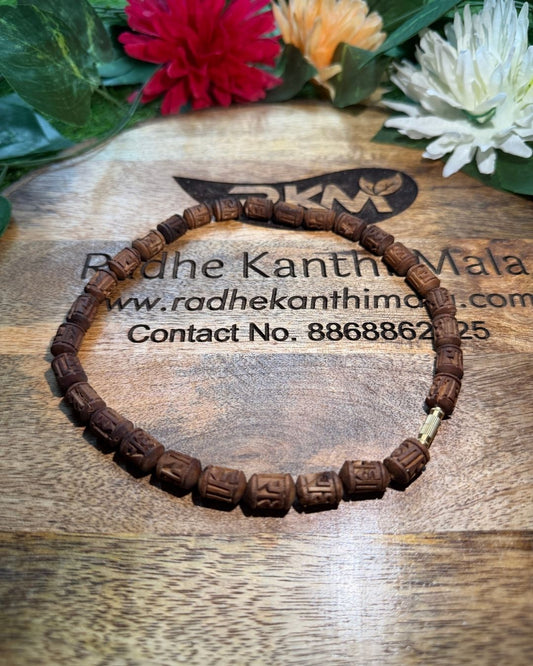
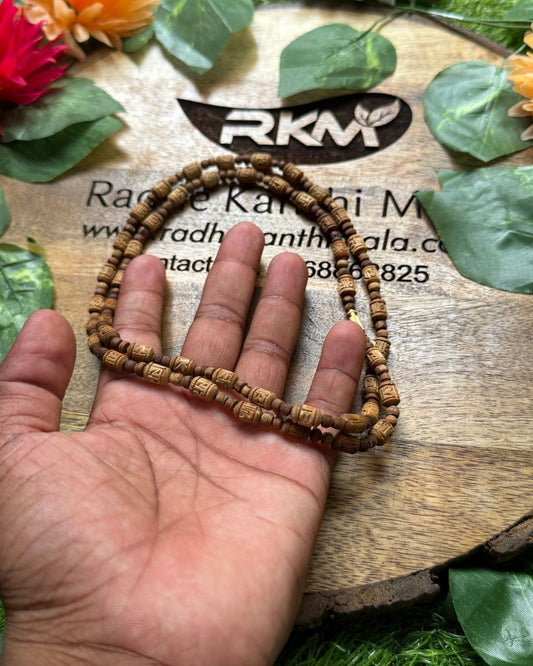
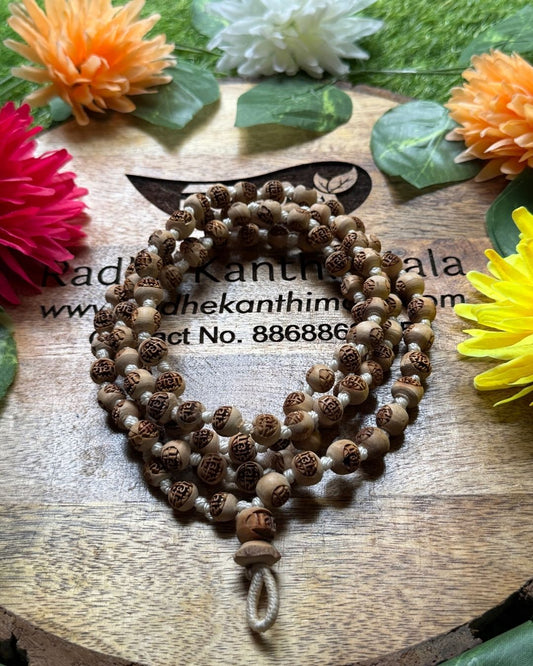
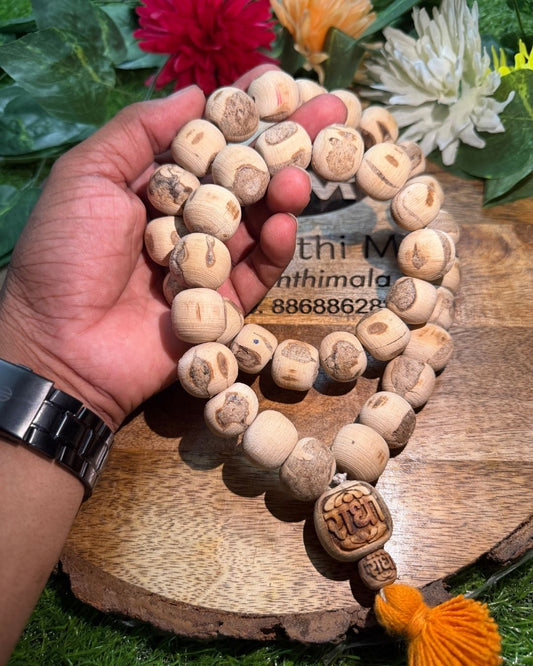
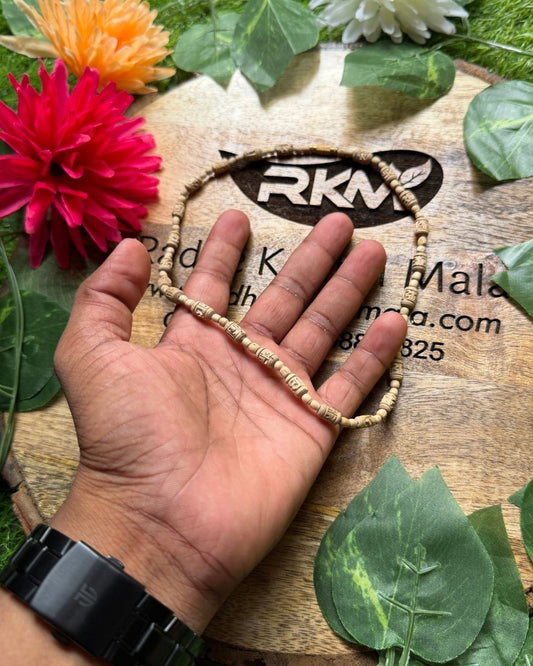
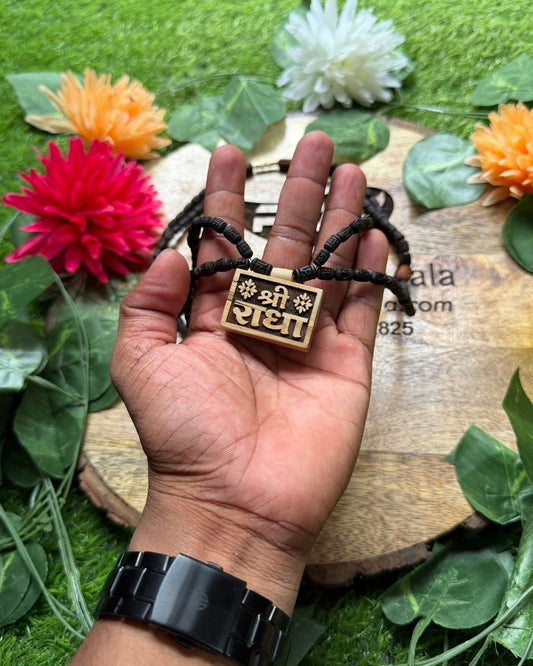
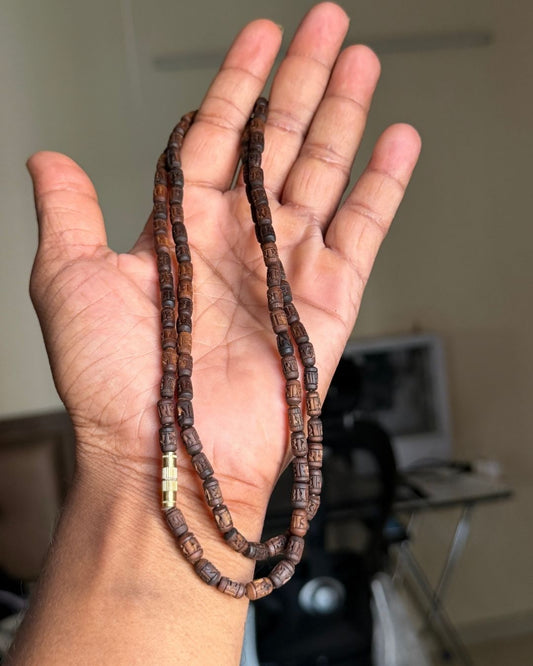
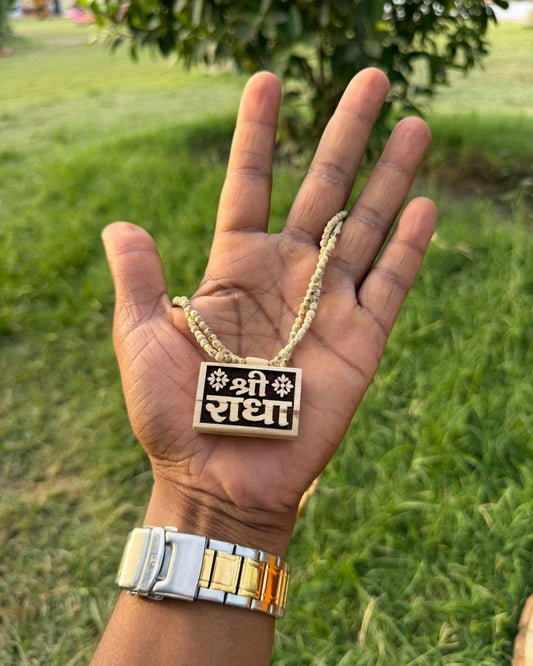
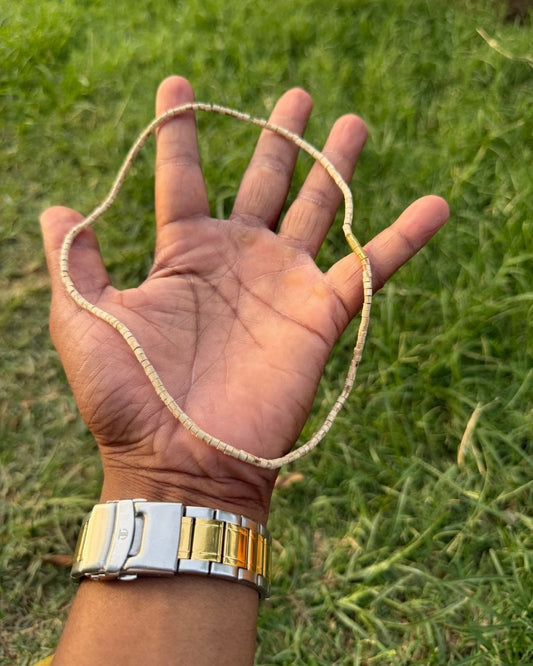
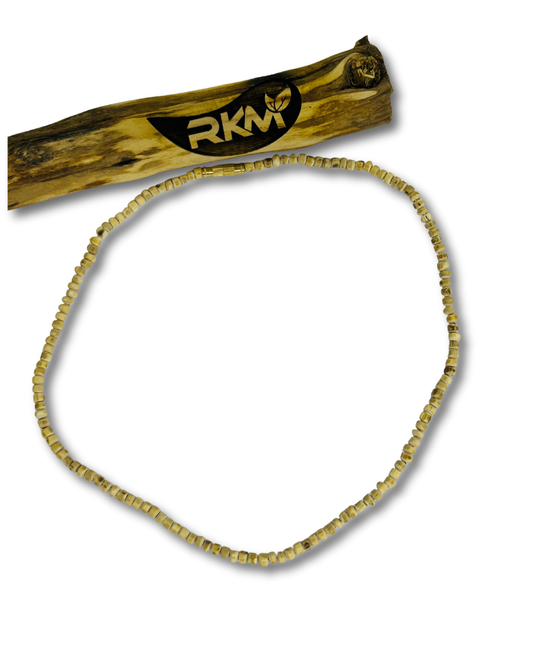
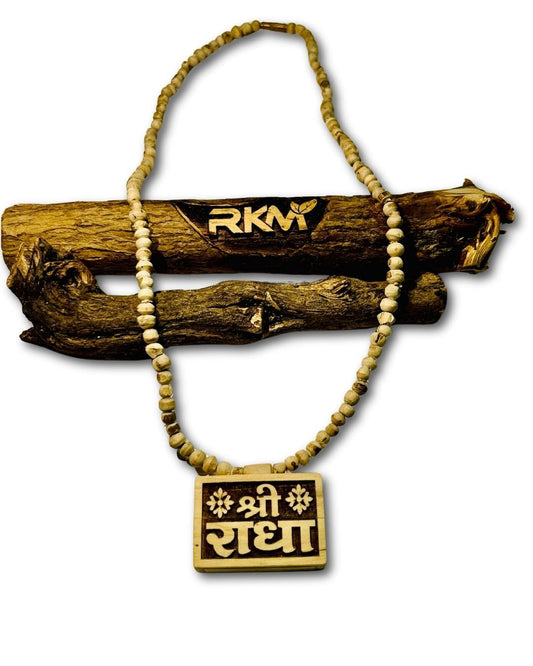
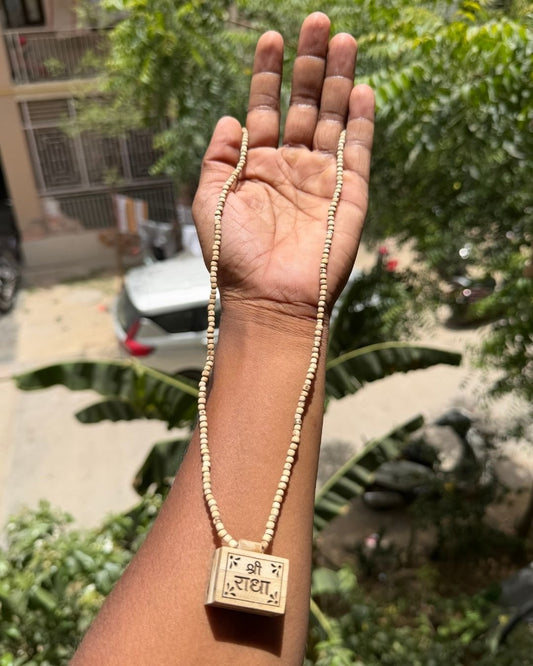
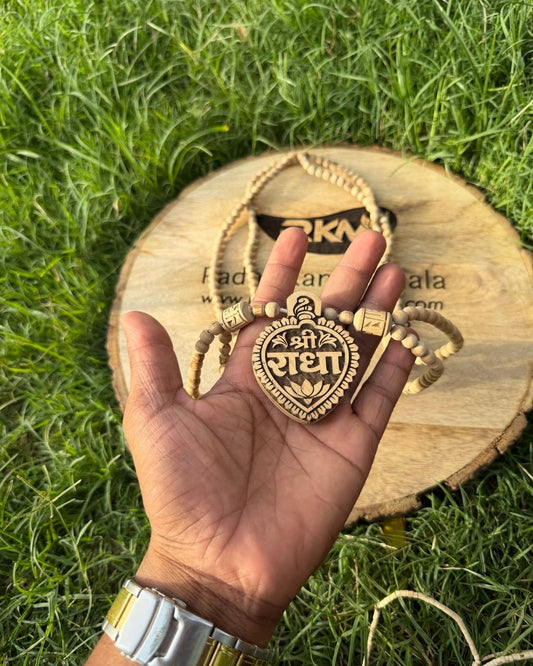
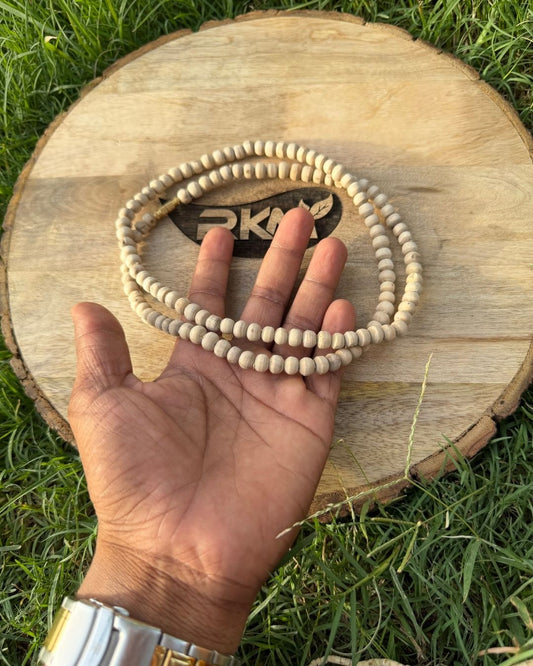
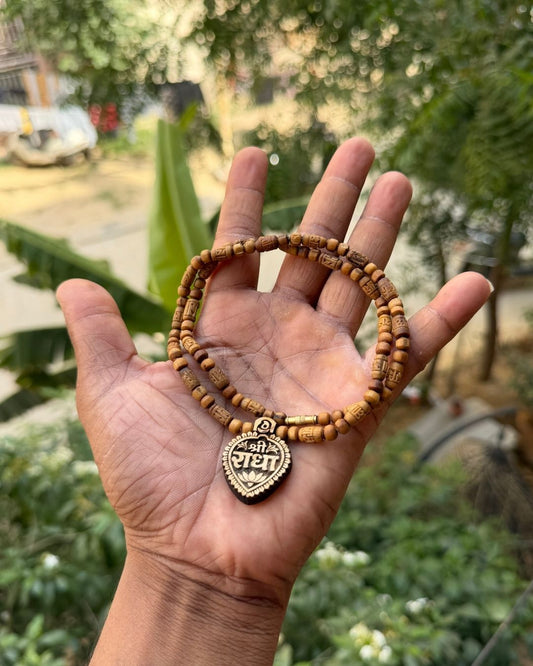
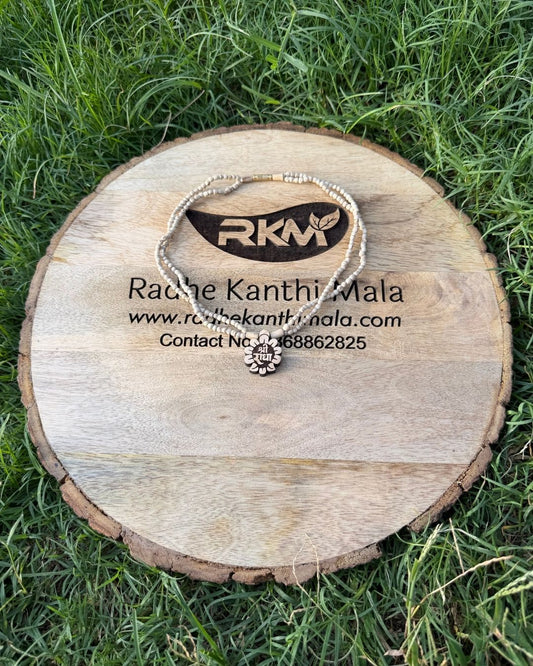
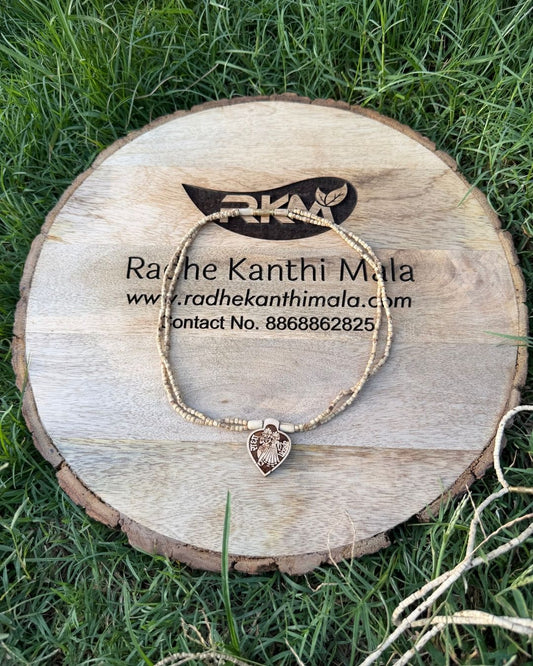
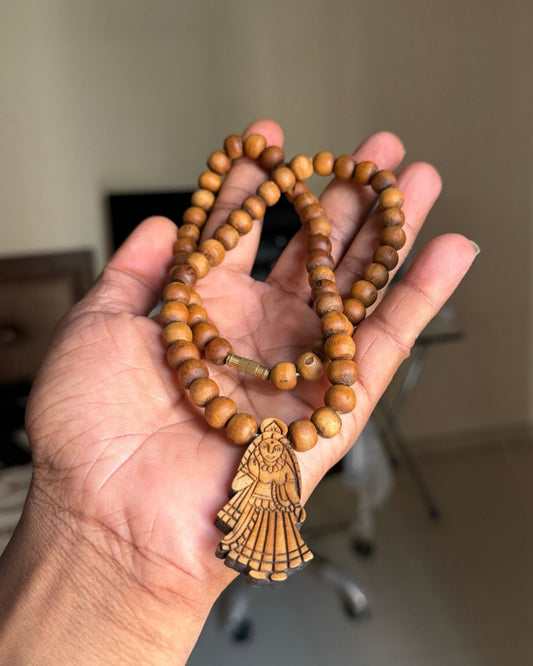
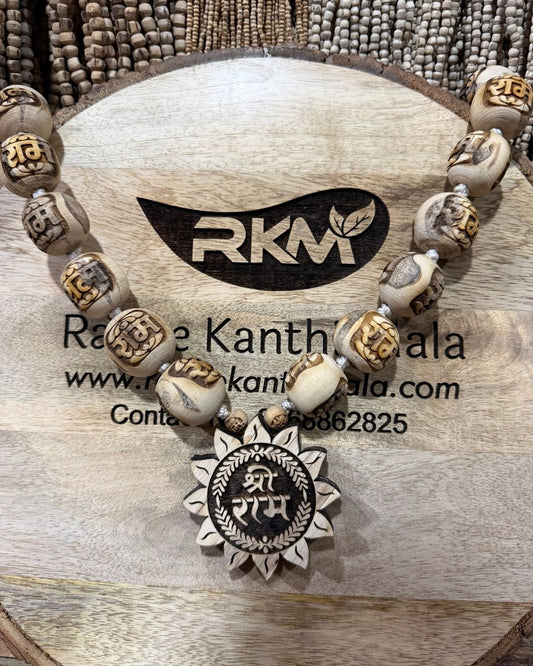
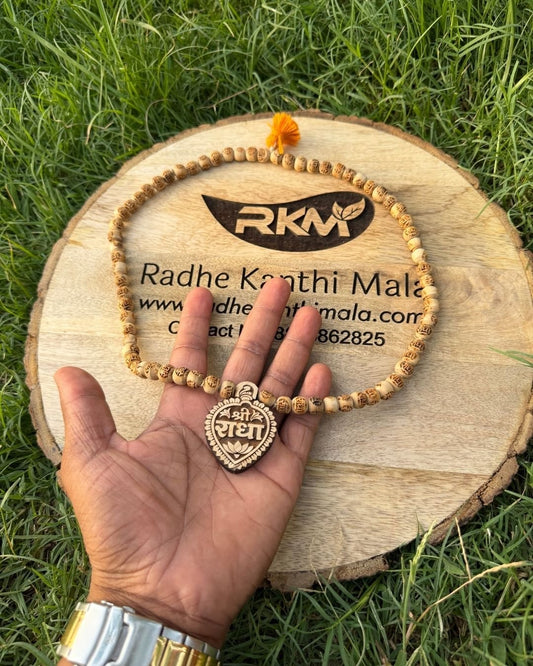
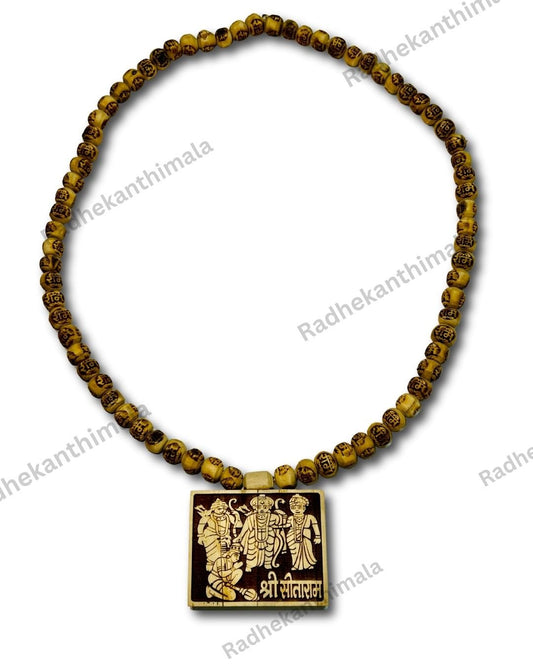
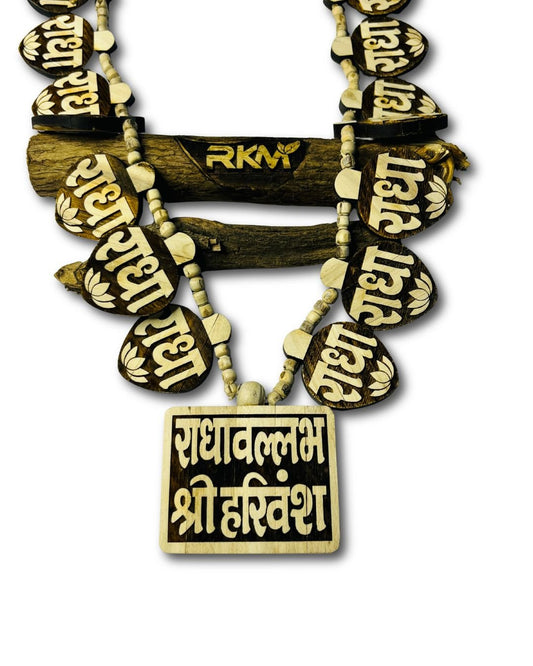
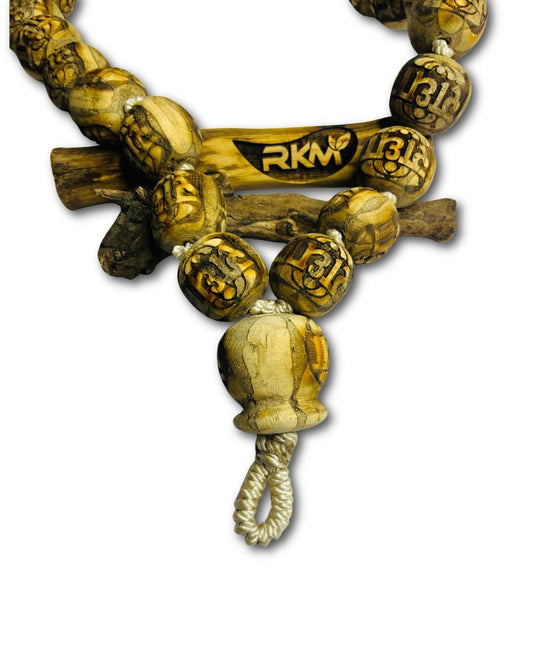
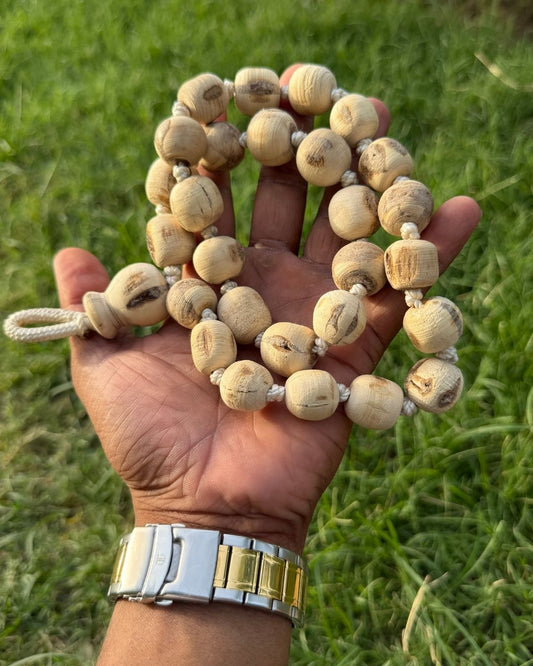
Explore our authentic Radha Big Tulsi Mala handcrafted from original Tulsi wood, ideal for devotees seeking purity and devotion.
Our Original Tulsi Mala has been independently tested by the Central Wood Testing Laboratory, The Rubber Board, under the Ministry of Commerce & Industry, Government of India.
The laboratory examination confirms that the wooden beads are derived from Original Tulsi stem (Ocimum tenuiflorum), based on physical and anatomical verification methods.
Certificate Details:
Certificate No: 55/B/Sp Id/1-2025
Date of Issue: 07/04/2025
Date of Sample Receipt: 31/03/2025
Date of Sample Testing: 03/04/2025 – 04/04/2025
This certification assures authenticity, material purity, and adherence to traditional standards, providing complete confidence to devotees and customers.
Government of India recognized testing laboratory
Sample verified as Original Tulsi (Ocimum tenuiflorum)
Physical & anatomical verification performed
Applicable to the tested sample as per official test report
A Tulsi Mala is more than a sacred ornament; it reflects devotion, discipline, and conscious living. An Original Tulsi Mala carries spiritual authenticity, while a Tulsi Kanthi Mala is traditionally worn for daily remembrance, purity of thought, and alignment with Vaishnav values.
Tulsi holds a central place in Sanatan Dharma and Vaishnav Tradition. It is not treated as an ordinary plant but as a sacred presence that represents purity, devotion, and spiritual discipline. From daily worship to long-term spiritual practices, Tulsi has been respected for centuries as a medium that connects the devotee with higher consciousness. The use of Tulsi in the form of a mala developed from this belief, allowing devotees to carry spiritual awareness with them throughout daily life.
The practice of wearing a mala made from Tulsi is rooted in conscious living. It reflects commitment, restraint, and remembrance of divine principles. This is why saints, devotees, and household practitioners alike have traditionally chosen Tulsi malas as part of their spiritual routine.
A Tulsi Kanthi Mala is traditionally worn around the neck, close to the heart and throat area. This placement is believed to encourage purity in speech, thoughts, and actions. Unlike decorative jewelry, a kanthi mala represents humility and devotion rather than display. Its simplicity is its strength.
In traditional spiritual culture, wearing a kanthi mala signifies surrender and acceptance of a disciplined path. It is often worn daily during prayers, naam japa, and routine activities, reminding the wearer to remain mindful and grounded.
In today’s market, many products are sold in the name of Tulsi, but not all are genuine. An Original Tulsi Mala is made from natural Tulsi Plant wood without chemical treatment, artificial polish, or synthetic materials. Natural variation in bead color and texture is a key sign of authenticity.
Artificial or imitation malas may look uniform and shiny but lack spiritual value. They do not age naturally, nor do they carry the subtle fragrance and texture of real Tulsi wood. For spiritual practices, authenticity matters more than appearance.
Wearing a Tulsi mala is closely associated with self-discipline. It encourages awareness of actions, habits, and thoughts. Traditionally, people avoid negative behavior or disrespectful conduct while wearing a Tulsi mala, as it represents a sacred vow rather than an ornament.
A Tulsi Kanthi Mala also serves as a constant reminder of naam smaran. Even without active chanting, its presence reinforces awareness, helping devotees remain centered in busy modern lifestyles.
Ancient scriptures and Puranic texts describe Tulsi as dear to Lord Vishnu and associated with spiritual liberation. Wearing a Tulsi mala is mentioned as a supportive practice for bhakti, purity, and detachment from ego-driven desires.
An Original Tulsi Mala, when used with faith and respect, aligns the devotee with long-standing traditions focused on steady inner transformation rather than instant outcomes.
Compared to longer japa malas, a Tulsi Kanthi Mala is lightweight, practical, and suitable for continuous wear. It does not interfere with daily tasks and blends naturally into a simple lifestyle.
Daily wear helps build consistency, which is essential in any spiritual journey. Over time, the mala becomes part of one’s identity, reflecting commitment to a sattvic way of life.
One unique aspect of an Original Tulsi Mala is how it ages. With time and use, beads may darken slightly or develop a smoother texture. This natural aging is considered auspicious, reflecting continued contact with the wearer’s energy and environment.
Unlike artificial materials, genuine Tulsi adapts and matures, becoming more personal with sincere use.
This part establishes the spiritual, cultural, and practical foundation of Tulsi malas. Understanding the meaning behind wearing a Tulsi mala is essential before exploring benefits, rules, craftsmanship, and authenticity checks.
In the next parts, we will explore practical benefits, wearing guidelines, authenticity identification, and how to choose the right Original Tulsi Mala for different spiritual needs.
Wearing a Tulsi mala has always been linked with spiritual awareness and disciplined living. An Original Tulsi Mala is traditionally worn to maintain purity of intention and to stay connected with devotional values throughout daily activities. Rather than being limited to rituals, its presence supports a continuous spiritual mindset.
Over time, devotees experience greater calmness, patience, and emotional balance. These changes are gradual and natural, reflecting inner alignment rather than sudden transformation.
A Tulsi Kanthi Mala is worn close to the body, making it a constant reminder of self-restraint and awareness. Many spiritual traditions believe that this proximity helps control impulsive behavior and encourages mindful speech and actions.
This discipline is not forced. Instead, it develops naturally as the wearer becomes more conscious of personal conduct, habits, and responsibilities.
Tulsi has long been associated with mental clarity and emotional steadiness. Wearing an Original Tulsi Mala is believed to reduce restlessness and help maintain focus in demanding daily routines. While it is not a medical solution, many devotees feel more composed and centered over time.
The natural texture and subtle aroma of Tulsi wood contribute to a grounding effect, especially during moments of stress or distraction.
Tulsi malas are closely connected with naam japa and devotional remembrance. A Tulsi Kanthi Mala symbolizes commitment to remembering divine names even outside formal prayer sessions.
This connection ensures that devotion remains integrated with daily life rather than being confined to temples or specific times.
One reason devotees prefer a Tulsi Kanthi Mala is its lightweight and breathable nature. Natural Tulsi wood remains comfortable against the skin and adapts well to different climates and routines.
Unlike synthetic or metal alternatives, Tulsi does not cause discomfort when worn for long durations, making it ideal for daily spiritual wear.
An Original Tulsi Mala is believed to interact subtly with the wearer’s personal energy. As the beads age, they absorb environmental exposure and personal use, making the mala feel more personal over time.
This belief explains why devotees value genuine Tulsi over artificial materials, which lack natural adaptability.
Spiritual growth does not depend on complicated rituals alone. A Tulsi Kanthi Mala worn consistently with respect is considered more effective than occasional elaborate practices.
This simplicity allows people from all walks of life to incorporate Tulsi malas into their routine without feeling overwhelmed.
Some people believe that wearing a Tulsi mala alone guarantees spiritual progress. Traditional teachings clarify that an Original Tulsi Mala supports effort and intention but does not replace ethical living or personal discipline.
Understanding this balance helps prevent unrealistic expectations and promotes a mature, respectful approach to spiritual practices.
Tulsi malas have been endorsed by saints and teachers across generations as tools for steady spiritual development. References found in Bhakti Literature emphasize sincerity, humility, and consistency over outward display.
A Tulsi Kanthi Mala aligns the wearer with these teachings by encouraging inward transformation rather than external recognition.
This part focused on experiential benefits, mental balance, and disciplined living supported by Tulsi malas. Understanding these aspects prepares the foundation for learning correct wearing methods and practical rules.
In the next part, we will explore do’s and don’ts, traditional guidelines, and lifestyle considerations related to wearing an Original Tulsi Mala with respect and awareness.
Wearing a Tulsi mala has always been guided by respect rather than strict rituals. An Original Tulsi Mala is traditionally worn as a symbol of devotion and self-discipline. The primary guideline is intention—wearing the mala with sincerity and awareness is considered more important than following rigid rules.
In Vaishnav practices, devotees often begin wearing a Tulsi mala after prayers or with a conscious vow to maintain purity in thoughts and actions. This approach keeps the practice meaningful and grounded.
A Tulsi Kanthi Mala is commonly worn around the neck, as this position keeps it close to the heart and throat. Morning hours, especially after bathing and prayer, are traditionally preferred for first-time wearing.
However, once worn, the kanthi mala is meant for continuous use. Removing and wearing it repeatedly without reason is generally discouraged, as consistency reflects commitment.
There are a few simple practices that help maintain respect for an Original Tulsi Mala. Keeping the body and mind clean, speaking truthfully, and maintaining respectful behavior are commonly emphasized.
Many devotees also prefer to keep their mala clean and dry, avoiding careless handling. These practices are not restrictions but reminders of the spiritual value the mala represents.
Traditional teachings suggest avoiding disrespectful conduct, harmful habits, or intentional negativity while wearing a Tulsi mala. A Tulsi Kanthi Mala is seen as a sign of restraint, so indulgent or careless behavior goes against its purpose.
The emphasis is not on fear or punishment but on self-awareness. When worn consciously, the mala naturally encourages better choices.
Yes, a Tulsi Kanthi Mala is designed for continuous wear. Its lightweight and natural material make it suitable for daily routines, including work and travel.
Some devotees choose to remove it temporarily during certain activities for comfort or respect, but there is no universal rule. The guiding principle remains intention and mindfulness.
Many people comfortably sleep while wearing an Original Tulsi Mala. Since it is natural and non-intrusive, it does not usually cause discomfort.
During travel, the mala continues to serve as a reminder of spiritual grounding. This continuity helps maintain inner balance even in unfamiliar or stressful environments.
When not worn, an Original Tulsi Mala should be kept in a clean and respectful place. Avoid placing it directly on the floor or in cluttered spaces.
Some devotees prefer to store it near their prayer area, reinforcing its spiritual association. Proper handling reflects the value placed on the practice.
A frequent concern among beginners is fear of making mistakes. Traditional guidance emphasizes that Tulsi malas are meant to support devotion, not create anxiety. A Tulsi Kanthi Mala worn with sincerity is always considered meaningful.
Flexibility exists because spiritual growth varies from person to person. What matters most is respect, not perfection.
References found in Vaishnav Scriptures highlight simplicity and humility over external strictness. Rules were designed to nurture inner discipline, not social pressure.
Understanding this context helps devotees follow guidelines naturally, without fear or confusion.
This part clarified wearing guidelines, do’s and don’ts, and practical flexibility associated with Tulsi malas. Once wearing practices are understood, the next important step is authenticity.
In the next section, we will focus on how to identify a genuine Original Tulsi Mala, common market misconceptions, and practical tips for choosing the right Tulsi Kanthi Mala with confidence.
In spiritual practices, authenticity plays a vital role. An Original Tulsi Mala is valued not for its appearance but for the purity of material and intention it represents. Wearing a genuine Tulsi mala supports traditional practices and ensures alignment with long-established spiritual principles.
Imitation products may look similar, but they do not carry the natural properties associated with real Tulsi wood. For this reason, experienced devotees always emphasize authenticity over visual perfection.
Many market alternatives are sold under the name of Tulsi but are made from dyed wood, compressed powder, plastic, or synthetic materials. These products often have unnaturally uniform beads and an artificial shine.
A Tulsi Kanthi Mala made from genuine Tulsi will never look machine-perfect. Slight irregularities are a natural sign of authenticity and should not be mistaken for defects.
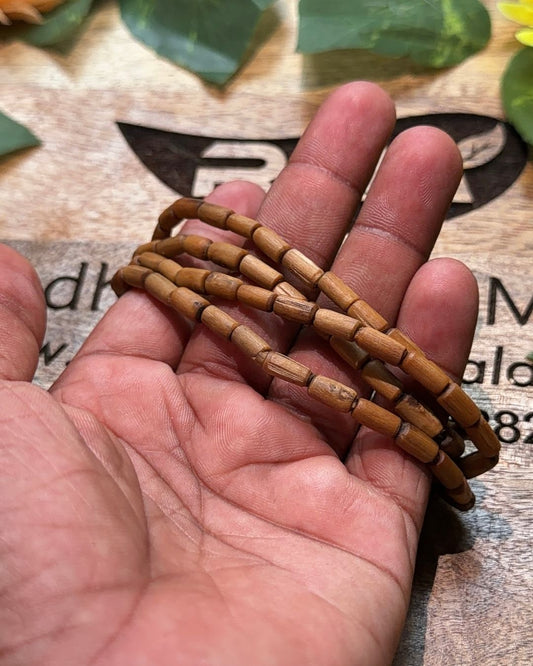
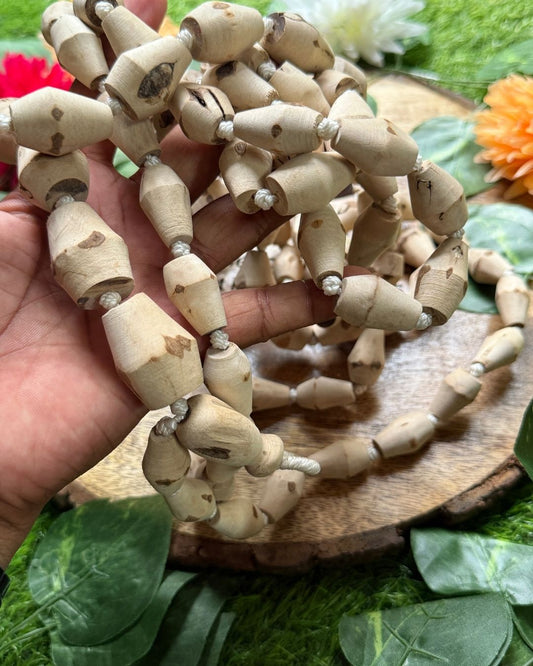
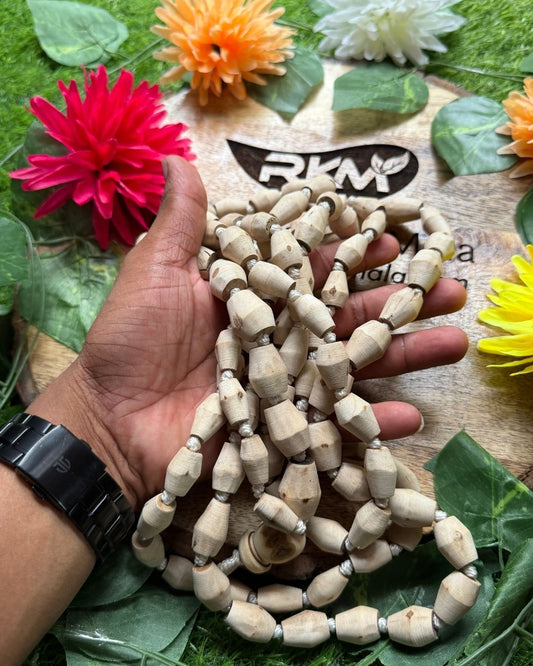
An Original Tulsi Mala usually has visible grain patterns, subtle color variation, and a matte finish. The beads may feel lightweight yet firm, with a natural texture that improves with use.
Over time, genuine Tulsi beads develop a deeper tone and smoother surface. This natural aging process is considered auspicious and is absent in artificial materials.
Real Tulsi wood often carries a mild, earthy fragrance that is not overpowering. When rubbed gently, the aroma becomes slightly noticeable, which is a natural trait of Tulsi.
A Tulsi Kanthi Mala made from authentic wood feels warm and organic to the touch, unlike plastic or resin, which feel cold or overly smooth.
Many people rely on water tests to check authenticity, but such methods are unreliable and can damage an Original Tulsi Mala. Genuine Tulsi should never be soaked or tested aggressively.
Instead of tests, observing natural texture, smell, and aging signs provides safer and more accurate identification.
Traditional Tulsi malas are often handmade by skilled artisans who follow time-tested methods. Hand drilling and threading preserve the natural structure of Tulsi beads.
A handcrafted Tulsi Kanthi Mala may show minor spacing or size differences, which are indicators of human craftsmanship rather than machine production.
An Original Tulsi Mala typically uses cotton or natural thread that allows breathability and flexibility. Bead size may vary slightly, depending on the style and intended use.
Overly thick synthetic threads or perfectly identical beads often indicate mass-produced or non-authentic products.
Some sellers use misleading terms such as “Tulsi finish” or “Tulsi type” to market non-genuine items. Understanding these labels helps buyers make informed decisions.
Choosing a trusted source and asking clear questions reduces the risk of purchasing an imitation Original Tulsi Mala.
Tulsi malas sourced from regions known for Tulsi cultivation are often more reliable. Traditional supply chains focus on quality rather than quantity.
References found in Traditional Craft Practices emphasize respect for material, ethical sourcing, and manual workmanship.
This section explained how to identify genuine Tulsi, avoid common market traps, and understand craftsmanship quality. Authenticity forms the foundation of meaningful practice.
In the next part, we will discuss how to choose the right Original Tulsi Mala or Tulsi Kanthi Mala based on age, lifestyle, and spiritual intention.
Selecting a Tulsi mala is a personal decision influenced by spiritual intention, daily routine, and comfort. An Original Tulsi Mala chosen with clarity of purpose supports consistency and long-term use. Some people seek a mala for daily remembrance, while others focus on deeper devotional practices.
Understanding why you want to wear a Tulsi mala helps in choosing the appropriate style, size, and form without confusion or external pressure.
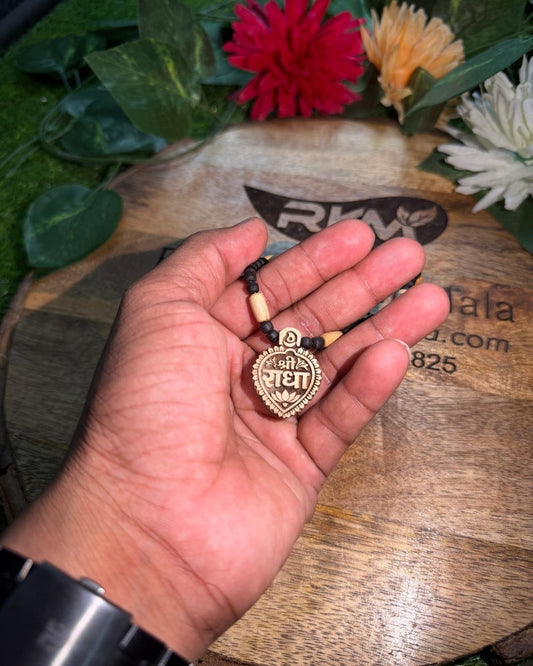
A Tulsi Kanthi Mala is ideal for those who wish to maintain spiritual awareness throughout the day. Its simple design and lightweight nature make it suitable for continuous wear, even during work or travel.
This type of mala blends naturally into a disciplined lifestyle, encouraging mindfulness without drawing unnecessary attention.
For those focused on chanting or devotional routines, an Original Tulsi Mala made with carefully selected beads is often preferred. The natural feel of Tulsi wood supports focus and steadiness during japa.
Though this part does not focus on japa malas in detail, authenticity and comfort remain essential considerations.
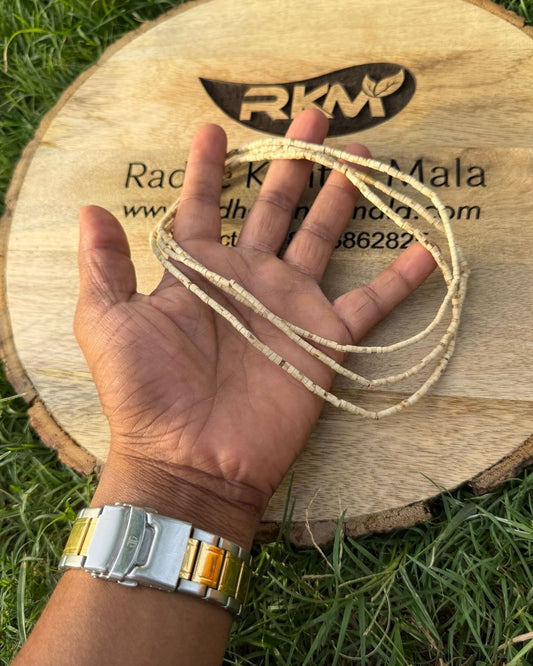
Bead size affects comfort and wearability. A Tulsi Kanthi Mala typically uses smaller beads to ensure ease of movement and continuous wear.
Larger beads may be chosen for occasional use, but daily wear generally favors lightweight and balanced designs that do not strain the neck.
Age and daily activity influence the choice of a Tulsi mala. Younger individuals or those with active routines often prefer a Tulsi Kanthi Mala that stays secure and comfortable throughout the day.
Older devotees may prioritize ease of handling and simplicity, choosing designs that align with comfort and respect.
An Original Tulsi Mala should use natural thread or durable cotton that allows flexibility and breathability. Proper knotting between beads prevents friction and extends the life of the mala.
Avoid overly tight or synthetic threads, as they reduce comfort and authenticity.
While tradition offers guidance, practical needs matter equally. A Tulsi Kanthi Mala should fit comfortably into your routine without causing inconvenience.
The goal is balance—honoring tradition while maintaining comfort and consistency.
Tulsi malas are spiritual tools, not fashion trends. Choosing an Original Tulsi Mala based solely on appearance or popularity often leads to dissatisfaction.
Thoughtful selection ensures long-term connection and respect for the practice.
When uncertain, guidance from experienced devotees or reliable sellers helps clarify choices. Trusted sources emphasize authenticity, craftsmanship, and suitability.
References found in Traditional Vaishnav Guidance encourage informed decision-making rooted in sincerity rather than impulse.
Once the right Tulsi mala is chosen, proper care becomes essential. Selection and maintenance go hand in hand to preserve both material quality and spiritual value.
In the next part, we will explore care, cleaning, and long-term maintenance practices for an Original Tulsi Mala and Tulsi Kanthi Mala.
Proper care preserves both the material quality and spiritual value of a Tulsi mala. An Original Tulsi Mala is made from natural wood, which responds to environment, handling, and time. Mindful care ensures longevity and maintains the mala’s natural character.
Caring for a Tulsi mala is not about strict rules; it is about respect and awareness toward something worn close to the body every day.
A Tulsi Kanthi Mala worn daily should be handled gently. Avoid pulling, twisting, or unnecessary stretching, as natural threads and beads can weaken over time.
Simple habits—such as adjusting the mala carefully and avoiding careless removal—help preserve its structure and comfort.
Cleaning an Original Tulsi Mala does not require water, soap, or chemicals. In most cases, gently wiping the beads with a dry, clean cloth is sufficient.
If dust accumulates, light brushing with a soft cloth restores the natural surface without damaging the wood.
Tulsi wood is porous and absorbs moisture easily. Exposing an Original Tulsi Mala to water may cause swelling, cracking, or thread damage.
Chemical cleaners, perfumes, or oils interfere with the natural properties of Tulsi and should never be applied.
Many devotees remove a Tulsi Kanthi Mala during bathing or intense physical activity to protect it from moisture and sweat.
While occasional exposure may not cause immediate harm, regular moisture contact reduces the lifespan of natural Tulsi beads.
When not in use, an Original Tulsi Mala should be stored in a clean, dry place. Avoid leaving it in damp areas or under direct sunlight for extended periods.
Some devotees prefer keeping it near their prayer space, reinforcing respect and mindful handling.
Over time, Tulsi beads naturally darken and smoothen with use. This change is a normal characteristic of an Original Tulsi Mala and is often considered auspicious.
A Tulsi Kanthi Mala that shows gradual aging reflects continuous wear and interaction with the wearer’s environment.
Threads wear out faster than beads. Replacing the thread of an Original Tulsi Mala when it weakens prevents bead loss and maintains comfort.
Using natural cotton thread preserves breathability and traditional authenticity.
If a Tulsi mala becomes unusable, it should not be discarded casually. Many devotees choose respectful methods such as placing it near a Tulsi plant or in flowing water, following Traditional Practices.
This approach reflects gratitude rather than attachment.
Care and maintenance ensure that a Tulsi mala remains supportive over long periods. When treated with respect, an Original Tulsi Mala continues to serve as a steady companion in daily spiritual life.
In the next part, we will address common doubts, myths, and frequently asked questions related to wearing and using a Tulsi Kanthi Mala.
As Tulsi malas are deeply connected with daily spiritual life, many devotees naturally have questions. An Original Tulsi Mala is simple in form, yet its use carries meaning, which often leads to doubts—especially for those new to the practice.
Understanding common concerns helps remove hesitation and allows devotees to wear a Tulsi mala with confidence and clarity.
A Tulsi Kanthi Mala is not restricted by age, gender, or background. Traditional teachings emphasize intention and respect rather than eligibility based on identity.
Anyone who wishes to live with greater awareness, discipline, and devotion can wear a Tulsi mala without hesitation.
Formal initiation is not mandatory to wear an Original Tulsi Mala. While some traditions introduce Tulsi malas during initiation, many devotees begin wearing them independently as an expression of faith.
What matters most is sincerity, not ceremony.
A Tulsi Kanthi Mala can be worn alongside simple jewelry, though excessive ornamentation is traditionally discouraged. The focus remains on humility rather than display.
Keeping the mala visually and symbolically distinct helps preserve its spiritual significance.
If an Original Tulsi Mala breaks, it is generally seen as a sign of material wear rather than a negative indication. Beads may fall due to thread weakening over time.
Replacing or repairing the mala respectfully is the recommended approach.
Yes, occasional removal of a Tulsi Kanthi Mala for comfort, hygiene, or specific activities is acceptable. There is no strict prohibition.
The guiding principle remains mindfulness rather than rigid enforcement.
Many devotees feel that wearing an Original Tulsi Mala during challenging times provides emotional stability and grounding.
Rather than being restricted during difficulties, Tulsi malas are often seen as supportive companions during such phases.
Tulsi malas are meant to support inner growth, not fear-based beliefs. A Tulsi Kanthi Mala does not cause harm or misfortune if worn imperfectly.
Teachings found in Spiritual Philosophy emphasize conscious intention over superstition.
An Original Tulsi Mala encourages steady, consistent spiritual development. Its impact lies in daily awareness rather than dramatic change.
Over time, the mala becomes a symbol of inner discipline and conscious living.
This part addressed common doubts and misconceptions surrounding Tulsi malas. Clearing these questions helps devotees move forward with confidence.
In the final part, we will summarize all key aspects and explain how wearing an Original Tulsi Mala or Tulsi Kanthi Mala fits naturally into a balanced spiritual lifestyle.
After understanding the spiritual background, benefits, rules, authenticity, selection, care, and common doubts, the role of a Tulsi mala becomes clear. An Original Tulsi Mala is not worn for display or trend but as a conscious choice that reflects devotion, discipline, and awareness.
Its simplicity allows it to integrate naturally into daily life without creating burden or confusion.
A Tulsi Kanthi Mala represents continuity. It is worn daily, through routine activities, challenges, and moments of reflection. This consistency helps cultivate mindfulness and responsibility in thoughts and actions.
Rather than separating spiritual practice from everyday life, the kanthi mala blends both into a single flow.
An Original Tulsi Mala works gradually. Its influence is subtle, encouraging steady improvement in awareness, patience, and self-control.
Over long periods, this quiet support often leads to meaningful personal transformation rooted in daily discipline rather than sudden change.
Modern life is filled with distractions and demands. A Tulsi Kanthi Mala offers simplicity within complexity, reminding the wearer to pause, reflect, and act consciously.
This balance makes Tulsi malas relevant even today, far beyond traditional settings.
Tulsi malas do not impose rigid beliefs. An Original Tulsi Mala adapts to individual understanding, whether one follows structured devotion or quiet introspection.
This flexibility allows each person to build a personal relationship with the practice.
Wearing a Tulsi mala is not about perfection. A Tulsi Kanthi Mala supports effort, sincerity, and continuity rather than flawless behavior.
Long-term commitment gradually shapes mindset and habits in a natural way.
When worn with understanding, an Original Tulsi Mala becomes more than a personal tool—it becomes a quiet example. Children and younger family members observe consistency and respect rather than instruction alone.
This silent transmission often leaves a deeper impression than spoken guidance.
Choosing genuine products and reliable guidance ensures the practice remains meaningful. A Tulsi Kanthi Mala sourced responsibly supports both tradition and ethical craftsmanship.
Teachings referenced in Bhakti Tradition emphasize sincerity, humility, and informed choices.
Wearing a Tulsi mala is a personal journey. An Original Tulsi Mala supports awareness, discipline, and devotion without force or pressure.
When worn with respect and consistency, a Tulsi Kanthi Mala naturally becomes part of a balanced and conscious way of living.
This final part completes the eight-part exploration of Tulsi malas. Each section built upon the previous to offer clarity, practicality, and depth.
Together, these parts form a complete guide for understanding, choosing, wearing, and respecting an Original Tulsi Mala and Tulsi Kanthi Mala in everyday life.
Wearing a Tulsi mala represents devotion, self-discipline, and conscious living. An Original Tulsi Mala is traditionally worn as a reminder to live with purity in thoughts, speech, and actions rather than as a decorative item.
Yes, a Tulsi Kanthi Mala is specifically designed for daily wear around the neck, while other Tulsi malas may be used for chanting or occasional devotional practices. The purpose and usage define the difference, not superiority.
Yes, daily wear is encouraged. A Tulsi Kanthi Mala is lightweight and suitable for continuous use, making it ideal for maintaining spiritual awareness throughout daily life.
There are no rigid rules. Wearing an Original Tulsi Mala emphasizes intention, respect, and gradual self-discipline rather than fear-based restrictions.
Yes, women of all ages can wear a Tulsi Kanthi Mala. Traditional teachings do not restrict wearing based on gender. Respect and sincerity remain the only considerations.
If an Original Tulsi Mala breaks, it is usually due to natural wear. It can be repaired, restrung, or respectfully replaced without concern. It is not considered inauspicious.
An Original Tulsi Mala shows natural color variation, light weight, mild aroma, and gradual aging. Artificial shine, uniform beads, or synthetic smell often indicate imitation products.
Yes, many devotees comfortably wear a Tulsi Kanthi Mala during sleep and travel. Its natural material makes it suitable for long hours of wear.
Occasional removal for comfort, bathing, or specific activities is acceptable. A Tulsi Kanthi Mala supports mindfulness, not rigid enforcement.
No. An Original Tulsi Mala supports gradual inner growth. Teachings found in Spiritual Discipline emphasize consistency and effort over instant outcomes.
Yes, children can wear a Tulsi Kanthi Mala under guidance. It often helps introduce values of simplicity and respect at an early age.
No, wearing an Original Tulsi Mala is a personal choice, not a compulsory rule. It is meant to support spiritual awareness, not impose identity.
With proper care, an Original Tulsi Mala can last for years. Natural aging is expected and often valued as a sign of continuous use.
A Tulsi Kanthi Mala should be stored in a clean, dry place. Many devotees prefer keeping it near their prayer area as a sign of respect.
A Tulsi mala is not about perfection or fear. An Original Tulsi Mala and Tulsi Kanthi Mala are tools for awareness, humility, and steady spiritual living when worn with understanding and sincerity.
Posted on Bhawna SainiTrustindex verifies that the original source of the review is Google. I love this thankuu so much for this tulci kanthi mala from vrindavanPosted on Riya SinghTrustindex verifies that the original source of the review is Google. Real and beautiful mala I got thank you so much radhe radhePosted on Abhishek MeetkeTrustindex verifies that the original source of the review is Google. Very happy after getting everything from Radha kanthi mala 😀Posted on Dr.Vaishu KaleTrustindex verifies that the original source of the review is Google. Thanks prabhu ji... This product is very, very excellent. And I liked this combo very much.😇✨ Radhe radhe🙏🏻🦚Posted on Niharika SharmaTrustindex verifies that the original source of the review is Google. All of my combo pack of real kanthi,japa mala , bag , raj ,gopi is extremely very nice 🙂 and big thanks to Radhe kanthi mala ji owner ko jo trustfully mala phoncha rahe hai pure tulsi ji ki and why not krishna ji kripa hari bol radhe radhe 🙏Posted on D.K VarmaTrustindex verifies that the original source of the review is Google. Radhe kanthi mala 100% original pure tulsi mala from vrindavan dhamPosted on POET YOGESH JANGRATrustindex verifies that the original source of the review is Google. Good quality. No fraudPosted on sagar sharmaTrustindex verifies that the original source of the review is Google. good qualityPosted on Anchal SinghTrustindex verifies that the original source of the review is Google. Shri Radhey 🙌
Customer Service
My Account
Payment methods
Ⓒ Created by : Radhekanthimala.com
WhatsApp us