
Identify Original Tulsi Mala – How to Recognize an Original Tulsi Mala
Identify Original Tulsi Mala From Vrindavan Dham
Today, many devotees want to wear an original Tulsi Mala for spiritual practices, chanting, and daily devotion. But because of increasing demand, duplicate malas are also available in the market. That is why understanding the real identity of a Tulsi Mala has become very important.
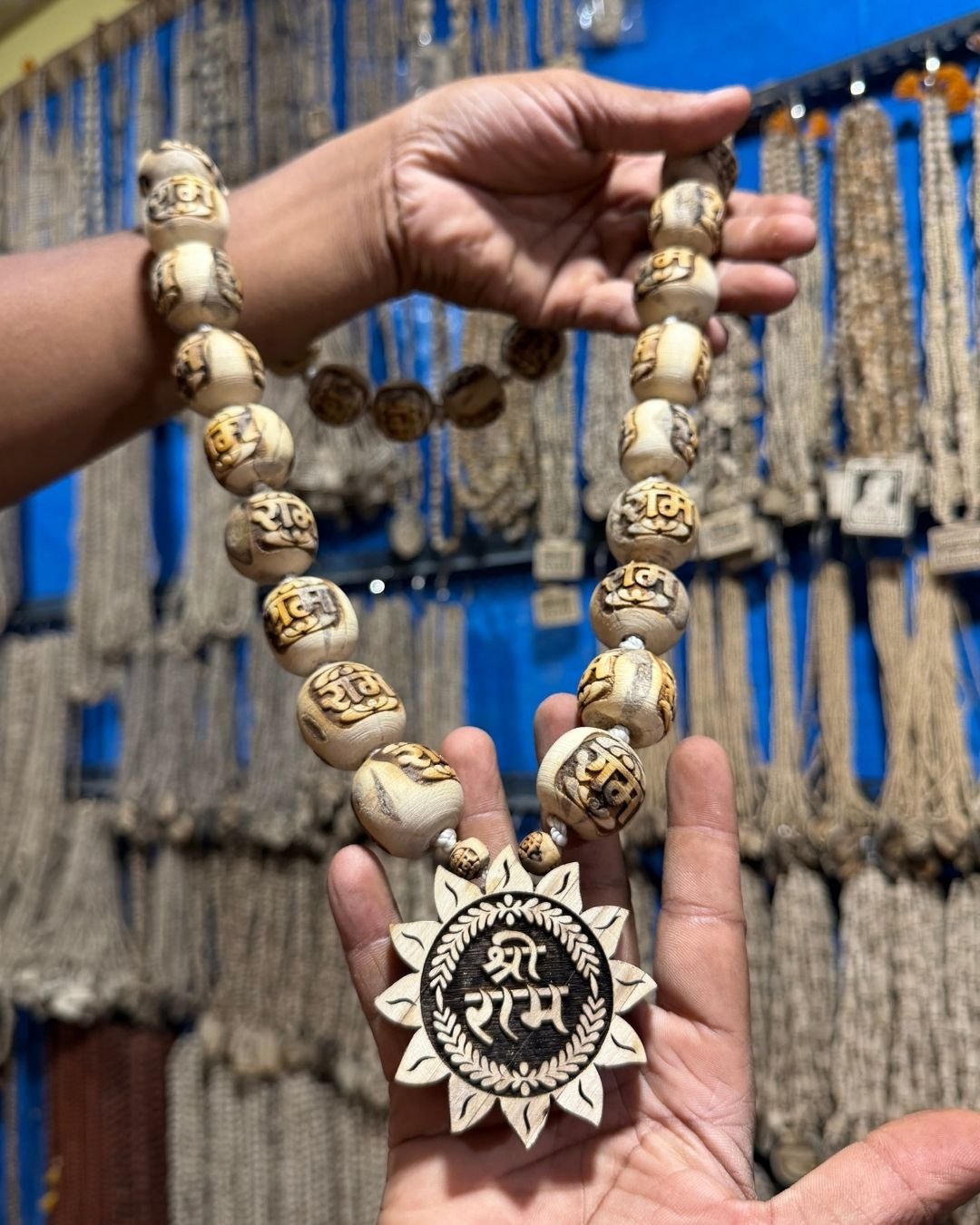
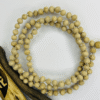
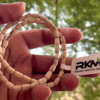
An original Tulsi Mala is not always perfectly smooth or machine-finished. Since it is made from natural Tulsi wood, small marks, light spots, natural texture, or tiny uneven patterns can appear on the beads and locket. These are not defects; they are signs of natural wood craftsmanship.
Many people become confused after seeing small natural marks and think the mala is fake. In reality, natural Tulsi wood can never look exactly like plastic or artificial machine-made products. Every original Tulsi bead has its own unique appearance because it comes from real Tulsi wood.
Government Lab Tested Certification Matters
The safest and most trusted way to identify Tulsi Mala is through a proper lab-tested certificate. Nowadays, many sellers claim their mala is original, but without testing or verifica,tion it becomes difficult for buyers to trust the authenticity.
At RKM (Radhe Kanthi Mala), the malas are backed with government-approved lab testing certification. This helps devotees purchase with confidence and peace of mind.
Always Remember:
- Natural Tulsi wood may contain small marks or texture.
- Every bead will not look identical.
- Handmade Tulsi products can have slight variations.
- Real identification should be done through certified testing.
Because of duplicate products in the market, buyers should always verify authenticity carefully before purchasing a Tulsi Mala.
Truth About Large Tulsi Lockets
Many people believe that a large Tulsi locket is carved from one single piece of Tulsi wood. This is not correct.
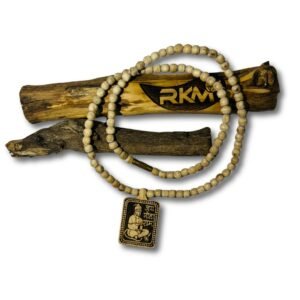
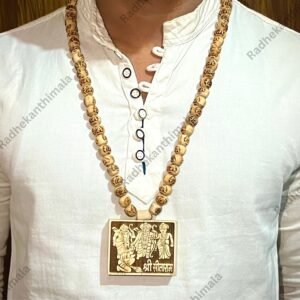
Original Tulsi wood naturally grows in smaller sizes. Usually, Tulsi wood pieces are less than one inch in width. Therefore, when larger lockets are made, artisans carefully join multiple smaller Tulsi wood sections together to create the final design.
This process is completely normal in authentic Tulsi craftsmanship.
Important Facts About Original Tulsi Lockets:
- Large lockets are often handcrafted using multiple Tulsi wood pieces.
- Joining smaller pieces does not make the mala fake.
- Natural Tulsi wood is limited in size.
- Handmade construction is common in traditional Vrindavan Tulsi malas.
Understanding this helps devotees avoid confusion while purchasing handcrafted Tulsi necklaces and lockets.
Water Testing Is Not a Reliable Method
One of the biggest misconceptions in the market is identify original Tulsi Mala by putting it into water. Many people believe that if color comes out, the mala is fake. This is not always true.
During natural finishing and polishing, fine wooden powder from Tulsi wood may release slightly when exposed to water. Some people mistake this natural wood residue for artificial color.
Because of this misunderstanding, many genuine Tulsi malas are wrongly judged.
Why Water Testing Creates Confusion:
- Natural wooden particles can appear in water.
- Tulsi wood contains fine organic residue.
- Handmade polishing may release light powder.
- Water testing is not a certified identification method.
An original Tulsi Mala should never be judged only by water experiments or social media myths.
Smell Is Also Not a Proper Identification Method
Some people try to smell dry Tulsi beads to check authenticity. But dry Tulsi wood usually does not produce a strong fragrance after processing and drying.
So if a Tulsi Mala does not smell strongly, it does not mean it is fake.
Correct Way to Identify Original Tulsi Mala:
- Check government-approved testing certification.
- Purchase from trusted spiritual sellers.
- Observe natural wood texture.
- Understand handmade variations in Tulsi products.
These points are far more reliable than smell tests or water tests.
Why Devotees Trust RKM – Radhe Kanthi Mala
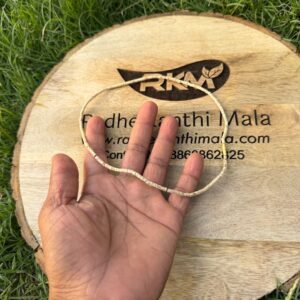
Radhe Kanthi Mala Official Website offers authentic Vrindavan Tulsi Malas with proper attention to quality, devotion, and originality.
Because the market contains many duplicate products, devotees should always choose trusted sources that provide transparency and authenticity support.
At RKM, the focus is on:
- Authentic Vrindavan Tulsi craftsmanship
- Government-approved lab certification support
- Handmade devotional malas
- Traditional spiritual quality
If you are searching for an original Tulsi Mala, choosing a trusted source becomes extremely important for spiritual confidence and satisfaction.
Final Thoughts
Identifying the original Tulsi Mala requires a proper understanding. Natural marks, joined lockets, wooden residue, or lack of fragrance do not automatically mean a mala is fake. Tulsi is a natural sacred wood, and every handcrafted mala carries unique characteristics.
The most trusted way to Identify Tulsi Mala is through proper certification, genuine craftsmanship, and reliable spiritual sellers. Always stay aware of duplicate products and choose authenticity over myths or internet misconceptions.
Understanding the Natural Beauty of Tulsi Wood
When devotees purchase a Tulsi Mala for spiritual use, many expect every bead to look perfectly polished and identical. But the reality is completely different. Original Tulsi wood is natural, handmade, and unique in appearance.
No two Tulsi beads are exactly the same because Tulsi wood naturally contains different textures, grain patterns, and surface marks. Some beads may appear slightly darker, lighter, smoother, or rougher than others. This is one of the biggest signs of authenticity.
Artificial malas are often machine-made and look overly perfect. Natural Tulsi Mala, especially handmade Vrindavan malas, usually carry slight natural variations.
Signs of Natural Tulsi Wood:
- Small natural marks on beads
- Slight color variation
- Handmade carving texture
- Non-identical bead patterns
- Natural wood grain visibility
These characteristics should not create doubt. Instead, they often indicate genuine Tulsi craftsmanship.
Machine-Made Finish vs Handmade Tulsi Mala
Nowadays, many duplicate malas are manufactured using chemical polish, artificial coloring, or synthetic wood materials. These products may initially look attractive because they are extremely smooth and shiny.
However, traditional Tulsi Mala is generally handcrafted, and handmade devotional products naturally maintain an organic finish rather than a plastic-like appearance.
Difference Between Handmade and Duplicate Mala
Handmade Original Tulsi Mala:
- Natural texture remains visible
- Slight handmade variations exist
- Wood grain can be noticed
- Beads may not be perfectly identical
- Spiritual traditional crafting process
Duplicate Artificial Mala:
- Extremely smooth plastic-like finish
- Artificial chemical shine
- Identical machine-made beads
- Unnatural uniform appearance
- Often made for commercial mass production
Understanding this difference helps buyers make safer and more informed decisions while purchasing devotional malas.
Why Lab Testing Is Becoming Necessary
The online market is growing rapidly, and many sellers now claim to provide “100% original Tulsi Mala.” Because of this, customers often become confused about whom they should trust.
This is why government-approved lab testing has become one of the safest ways to identify Original Tulsi Mala authenticity.
Certification helps verify:
- Natural Tulsi wood composition
- Authentic material testing
- Genuine devotional product quality
- Better trust for buyers
Without proper verification, it becomes difficult for normal customers to differentiate between original and duplicate malas.
At RKM – Radhe Kanthi Mala, authenticity and trust are given high importance so devotees can purchase confidently without confusion.
Truth About Colour Changes in Tulsi Mala
Many devotees notice that Tulsi Mala color slightly changes after regular wearing. Some become worried and think their mala is fake. But this is completely natural.
Tulsi wood reacts to:
- Body temperature
- Air exposure
- Natural oils from skin
- Daily usage
- Environmental moisture
Because Tulsi is natural wood, slight shade changes can happen over time. In fact, many old original Tulsi malas become darker naturally after years of devotional use.
Important Note:
Natural color variation does not mean the mala is duplicate. Artificial products usually maintain the exact same appearance because they are chemically processed.
Avoid Social Media Misconceptions
Today, many short videos online spread incorrect methods for identifying original Tulsi Mala. Some people suggest:
- Water testing
- Burning tests
- Smell tests
- Scratching tests
These methods often create unnecessary confusion and may even damage the mala.
The Reality:
There is no reliable home experiment that can fully guarantee authenticity. The safest method remains proper sourcing and certified verification.
Devotees should avoid blindly trusting viral internet tricks without understanding natural Tulsi wood behavior.
Importance of Buying From Trusted Spiritual Sellers
A Tulsi Mala is not just a fashion accessory. For many devotees, it carries deep devotional and spiritual importance. Because of this, purchasing from a trusted spiritual source matters greatly.
Before purchasing, always check:
- Seller authenticity
- Product transparency
- Spiritual reputation
- Customer trust
- Certification availability
Radhe Kanthi Mala Official Website is focused on providing authentic devotional Tulsi products connected with traditional Vrindavan craftsmanship.
Spiritual Value of Original Tulsi Mala
For devotees, wearing Tulsi Mala is connected with devotion, bhakti, chanting, and spiritual discipline. Because of this sacred connection, originality matters not only for quality but also for personal faith and devotional satisfaction.
Devotees Prefer Original Tulsi Mala Because:
- It is connected with traditional devotional culture
- Handmade malas carry spiritual significance
- Natural Tulsi wood is highly respected
- Authenticity gives peace of mind during worship
This is why understanding the real identity original Tulsi Mala is important for every devotee.
Final Words
To Identify Tulsi Mala correctly, people should focus on knowledge rather than myths. Natural marks, slight color changes, joined lockets, or wooden residue are often part of genuine handmade Tulsi products.
Instead of following random internet tricks, devotees should trust:
- Government-approved testing
- Natural wood characteristics
- Trusted devotional sellers
- Authentic handmade craftsmanship
Choosing an original Tulsi Mala from a reliable source helps devotees wear their kanthi with confidence, trust, and spiritual satisfaction.
Why Duplicate Tulsi Mala Products Are Increasing
As the popularity of Tulsi Mala continues to grow among devotees, the number of duplicate products in the market is also increasing rapidly. Many artificial malas are now designed to look similar to original Tulsi wood, making it difficult for buyers to identify the difference.
Some sellers use:
- Artificial wood materials
- Chemically polished beads
- Machine-made designs
- Fake wooden finishes
- Misleading marketing claims
Because of this, many devotees unknowingly purchase duplicate malas thinking they are original Vrindavan Tulsi products.
That is why awareness and proper knowledge are extremely important before buying any Tulsi Mala online or offline.
Original Tulsi Mala Is Naturally Imperfect
One of the biggest misunderstandings among buyers is expecting perfect finishing from natural Tulsi wood. In reality, genuine Tulsi Mala is handmade and naturally crafted, so small imperfections are completely normal.
Natural Features of Original Tulsi Mala:
- Minor texture differences
- Small natural lines on beads
- Slight uneven carving marks
- Handmade finishing
- Natural wood patterns
Artificial products usually appear overly polished and factory-made. But traditional Tulsi Mala often reflects the beauty of natural craftsmanship rather than machine perfection.
This is why devotees should never judge authenticity only by external shine or smoothness.
Handmade Tulsi Lockets and Joint Crafting
Large Tulsi pendants or lockets often create confusion among buyers. Many people think that if a locket contains joints, it must be fake. However, this belief is incorrect.
Natural Tulsi wood generally grows in smaller dimensions. Because of this limitation, craftsmen carefully combine multiple Tulsi wood sections to create larger lockets and devotional pendants.
Important Understanding:
- Large single-piece Tulsi wood is very rare.
- Bigger lockets are commonly handcrafted using joined Tulsi pieces.
- Joint crafting is part of traditional handmade work.
- This does not reduce authenticity.
In fact, skilled handmade joining often reflects artisan craftsmanship rather than duplication.
Chemical Smell and Artificial Fragrance Misconception
Many customers believe that original Tulsi Mala should produce a strong fragrance. Because of this, some duplicate sellers even add artificial scent or chemical fragrance to attract buyers.
But naturally dried Tulsi wood usually does not release a strong smell after processing and carving.
Reality About Tulsi Fragrance:
- Dry Tulsi wood may have very mild or no fragrance.
- Artificial smell does not prove originality.
- Strong chemical fragrance can sometimes indicate artificial treatment.
- Smell testing is not a reliable authenticity method.
Therefore, devotees should avoid depending on fragrance-based identification methods.
Why Water Tests Often Mislead Buyers
Social media has spread many confusing methods for checking Tulsi Mala originality. One common myth is dipping the mala into water to check if color releases.
However, Tulsi wood is a natural material. During finishing and polishing, very fine wooden particles or natural residue may come out when soaked in water. Many people incorrectly think this means artificial coloring.
Truth About Water Testing:
- Natural Tulsi wood may release fine residue.
- Handmade polishing can create slight wooden powder.
- Water reaction does not automatically mean fake material.
- Authenticity cannot be confirmed through simple water tests.
Because of these misunderstandings, many genuine Tulsi malas are wrongly judged by customers.
The Importance of Trusted Certification
The safest way to identify Original Tulsi Mala is through proper verification and trusted certification. As duplicate products increase, buyers should choose sellers that maintain transparency about authenticity.
Government-approved testing gives devotees more confidence because it helps confirm:
- Natural Tulsi wood usage
- Genuine product quality
- Material authenticity
- Better reliability for spiritual products
At RKM – Radhe Kanthi Mala, authenticity and devotional trust are given special importance so devotees can wear Tulsi kanthi with confidence and satisfaction.
How to Choose the Right Tulsi Mala
Before purchasing any Tulsi Mala, devotees should carefully observe both the product and seller reputation.
Things You Should Always Check:
- Authentic seller reputation
- Natural handmade appearance
- Certification availability
- Transparent product information
- Traditional craftsmanship quality
Choosing wisely helps avoid duplicate products and ensures better spiritual satisfaction.
Radhe Kanthi Mala Official Website provides devotional Tulsi products inspired by traditional Vrindavan craftsmanship and authenticity-focused service.
Spiritual Connection With Original Tulsi Mala
For devotees, Tulsi Mala is much more than a wooden necklace. It is deeply connected with devotion, bhakti, chanting, and spiritual identity.
This is why many devotees prefer original handmade Tulsi Mala rather than artificial decorative products.
Spiritual Importance of Original Tulsi Mala:
- Connected with devotional traditions
- Used during chanting and worship
- Symbol of spiritual discipline
- Respected in Vaishnav culture
- Handmade craftsmanship adds devotional value
An authentic Tulsi Mala gives devotees emotional and spiritual satisfaction while practicing daily bhakti.
Final Conclusion
To Identify Original Tulsi Mala properly, devotees should avoid blindly trusting internet myths, artificial appearance, or random testing methods. Natural marks, joined lockets, color variation, or light residue are often part of real handmade Tulsi products.
The best approach is to focus on:
- Trusted spiritual sellers
- Natural wood characteristics
- Government-approved testing
- Traditional handmade craftsmanship
With proper awareness and understanding, devotees can confidently choose an original Tulsi Mala for their spiritual journey.
Understanding the Real Value of Tulsi Mala
Tulsi Mala is not simply a wooden ornament. For devotees, it is connected with faith, devotion, spiritual discipline, and daily bhakti practices. Because of this sacred importance, choosing an original Tulsi Mala becomes very meaningful.
Today, many people want authentic Vrindavan Tulsi Mala, but due to increasing market demand, duplicate products are also being sold widely. Some fake malas may look attractive externally, but they do not carry the same natural craftsmanship and devotional value as genuine Tulsi wood malas.
That is why proper awareness is necessary before making any purchase.
Natural Tulsi Wood Always Looks Different
One important thing devotees should understand is that original Tulsi wood never looks exactly identical in every bead. Since Tulsi is a natural plant-based wood, every mala has its own texture, color tone, grain pattern, and handcrafted appearance.
Common Natural Characteristics:
- Slightly uneven bead texture
- Natural wood lines
- Minor handcrafted marks
- Light color variations
- Handmade finishing differences
These features are completely normal in authentic Tulsi Mala.
Many buyers mistakenly compare handmade Tulsi Mala with factory-made machine products. Artificial malas often appear extremely polished and identical because they are mass-produced. But traditional Tulsi Mala maintains its natural appearance.
Why Handmade Craftsmanship Matters
Traditional Tulsi Mala making is a devotional craft. Skilled artisans carefully shape, polish, and prepare each bead using natural Tulsi wood. This handmade process takes time and dedication.
Because the work is done manually:
- Every bead may not be perfectly equal
- Small handcrafted variations may appear
- Lockets can contain joined Tulsi wood pieces
- Natural texture remains visible
These are signs of genuine craftsmanship, not defects.
Understanding handmade work helps devotees appreciate the originality and authenticity of Tulsi products.
Truth About Large Tulsi Lockets
Many people become confused when they see joints in bigger Tulsi lockets or pendants. Some immediately assume the mala is fake. But this is actually a misunderstanding.
Natural Tulsi wood usually grows in smaller sizes. Creating a large pendant from one single Tulsi wood block is often not possible. Therefore, artisans traditionally join smaller Tulsi wood sections together to create larger devotional lockets.
Important Facts:
- Tulsi wood naturally comes in limited sizes
- Larger lockets are often handcrafted using multiple pieces
- Joining is part of traditional artisan work
- This does not reduce authenticity
In fact, handmade joint craftsmanship is common in authentic devotional Tulsi jewelry.
Avoid Believing Every Internet Trick
Nowadays, social media videos often spread incorrect information about how to Identify Tulsi Mala. Some people recommend:
- Water testing
- Burning tests
- Smell checking
- Scratching methods
These methods create confusion and can even damage the mala.
Why These Methods Are Unreliable:
- Natural wood may release fine residue in water
- Dry Tulsi usually has very little fragrance
- Handmade polishing may create natural powder
- Surface reactions do not prove duplication
Authenticity cannot be judged through random home experiments.
The safest method is always trusted sourcing and proper certification.
Government Certification Helps Build Trust
Because duplicate products are increasing rapidly, lab-tested certification has become very important for buyers.
Government-approved testing helps verify:
- Natural Tulsi wood material
- Authentic devotional craftsmanship
- Genuine product quality
- Better customer trust
When devotees purchase from trusted sources that provide authenticity support, they feel more confident and satisfied.
At RKM – Radhe Kanthi Mala, devotional trust and authenticity are given special importance so devotees can wear Tulsi kanthi peacefully without confusion.
How to Identify Tulsi Mala Correctly
Instead of following myths, devotees should focus on practical and trustworthy identification methods.
Correct Ways to Identify Tulsi Mala:
- Observe natural wood texture
- Understand handmade variations
- Check seller reputation
- Verify certification support
- Purchase from trusted devotional sources
These methods are far more reliable than internet tricks or random assumptions.
Why Devotees Choose RKM – Radhe Kanthi Mala
Radhe Kanthi Mala Official Website focuses on authentic devotional Tulsi products inspired by traditional Vrindavan craftsmanship.
Devotees trust RKM because of:
- Authentic handmade Tulsi Mala
- Government-approved testing support
- Traditional devotional quality
- Natural craftsmanship
- Focus on authenticity and customer trust
Choosing a trusted source helps devotees avoid duplicate products and purchase with peace of mind.
Spiritual Importance of Original Tulsi Mala
Original Tulsi Mala carries emotional and devotional value for many devotees. It is commonly worn during:
- Chanting and naam jap
- Daily worship
- Spiritual practices
- Bhakti activities
- Vaishnav devotional traditions
Because of this spiritual connection, authenticity matters deeply to devotees.
A genuine Tulsi Mala not only represents tradition but also gives emotional satisfaction during devotional life.
Final Thoughts
To Identify Tulsi Mala properly, devotees should understand the natural behavior of Tulsi wood instead of believing market myths. Natural marks, handcrafted joints, slight shade differences, or fine wooden residue are often part of authentic handmade Tulsi products.
The best approach is to focus on:
- Trusted spiritual sellers
- Government-approved certification
- Handmade craftsmanship
- Natural Tulsi wood characteristics
With proper awareness and understanding, devotees can confidently choose an authentic Tulsi Mala that supports both devotion and spiritual satisfaction.
FAQs – Identify Tulsi Mala
1. How can I identify Original Tulsi Mala as original?
The safest way to identify Original Tulsi Mala is through government-approved lab testing certification, trusted sellers, and natural Tulsi wood characteristics instead of random internet tricks.
2. Do natural marks mean the Tulsi Mala is fake?
No, small marks, wood texture, and slight uneven patterns are normal in original handmade Tulsi Mala because Tulsi wood is naturally unique.
3. Why do some Tulsi lockets have joints?
Large Tulsi lockets are usually made by joining smaller Tulsi wood pieces because natural Tulsi wood normally grows in smaller sizes.
4. Is water testing a reliable way to Identify Tulsi Mala?
No, water testing is not reliable. Natural Tulsi wood can release fine wooden residue during soaking, which many people misunderstand as artificial color.
5. Does original Tulsi Mala have a strong fragrance?
Dry Tulsi Mala usually does not produce a strong smell after processing. Smell is not a trusted method to Identify Original Tulsi Mala authenticity.
6. Why do Tulsi Mala beads sometimes change color?
Natural Tulsi wood can slightly darken over time because of body heat, air exposure, moisture, and regular devotional use.
7. Are perfectly smooth Tulsi Malas always original?
Not necessarily. Extremely smooth and identical beads are often machine-made. Handmade original Tulsi Mala usually contains natural variations.
8. Why is certification important for Tulsi Mala?
Certification helps verify natural Tulsi wood authenticity and gives buyers more confidence while purchasing devotional products.
9. Can handmade Tulsi Mala have slight imperfections?
Yes, handmade Tulsi Mala may contain small carving differences or natural texture marks because each bead is crafted individually.
10. Where can devotees buy authentic Tulsi Mala?
Devotees should purchase from trusted spiritual sellers like Radhe Kanthi Mala that focus on authenticity, traditional craftsmanship, and customer trust.

Add comment