
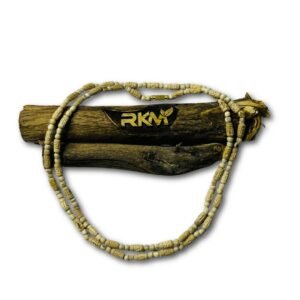
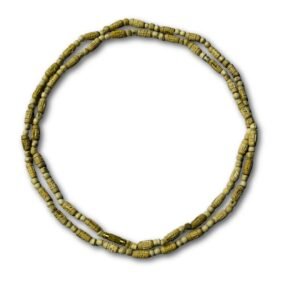

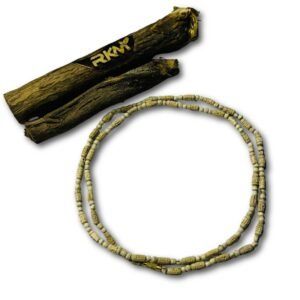
Radha Dana Tulsi Mala – Original Radha Tulsi Kanthi for Vaishnav Devotion
Original price was: ₹699.00.₹599.00Current price is: ₹599.00.
49 people are viewing this product right now
🔥 9 items sold in last 3 hours
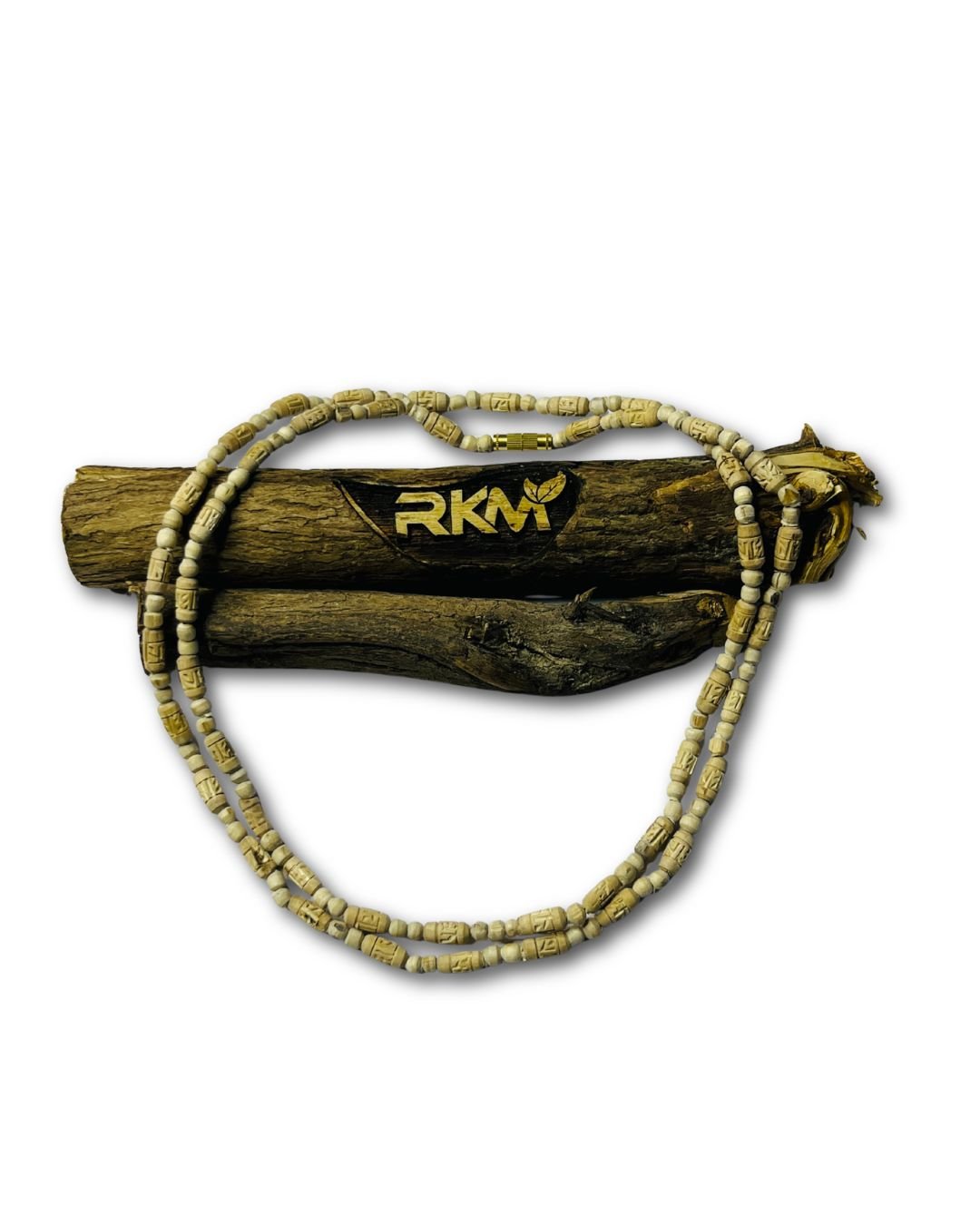
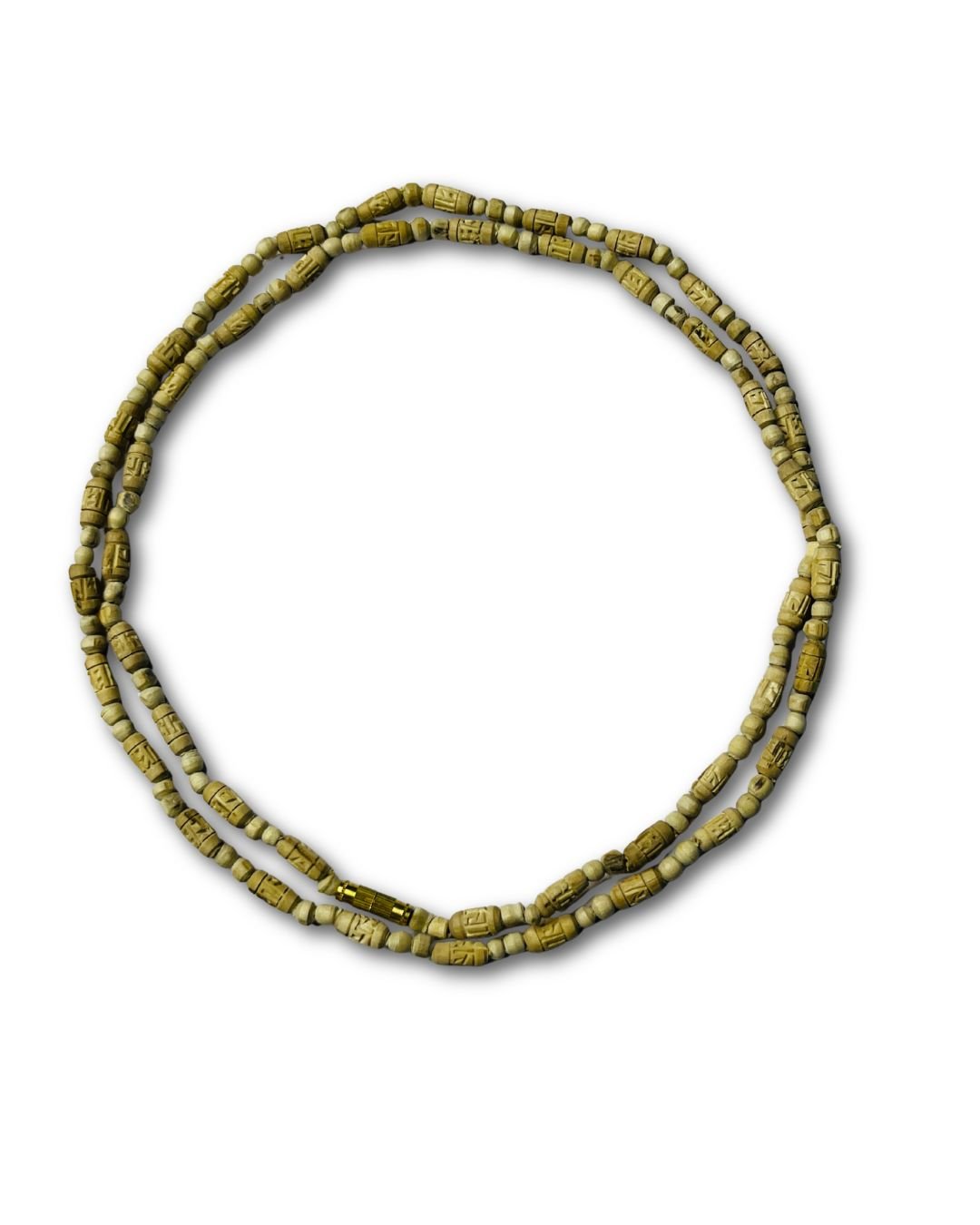
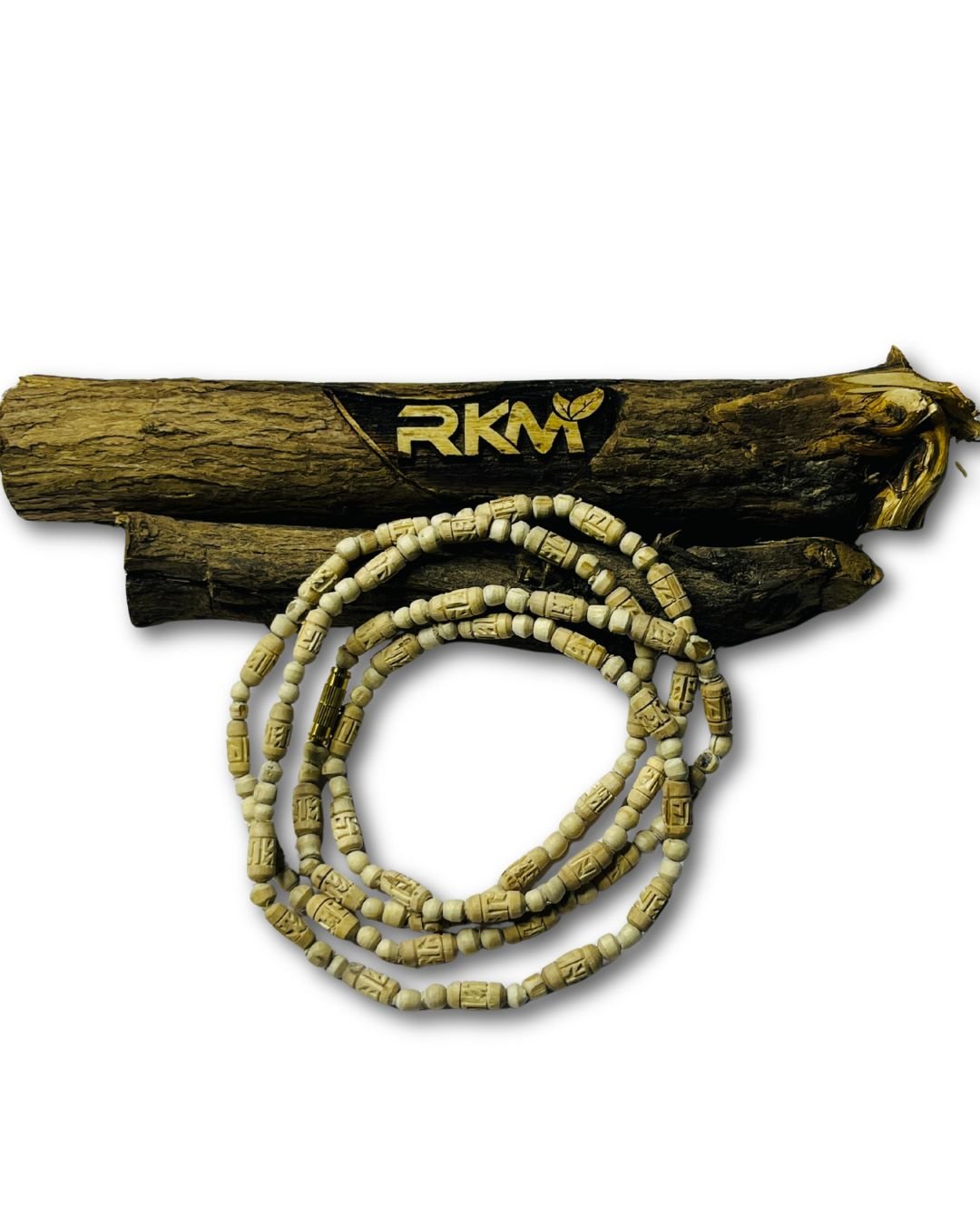
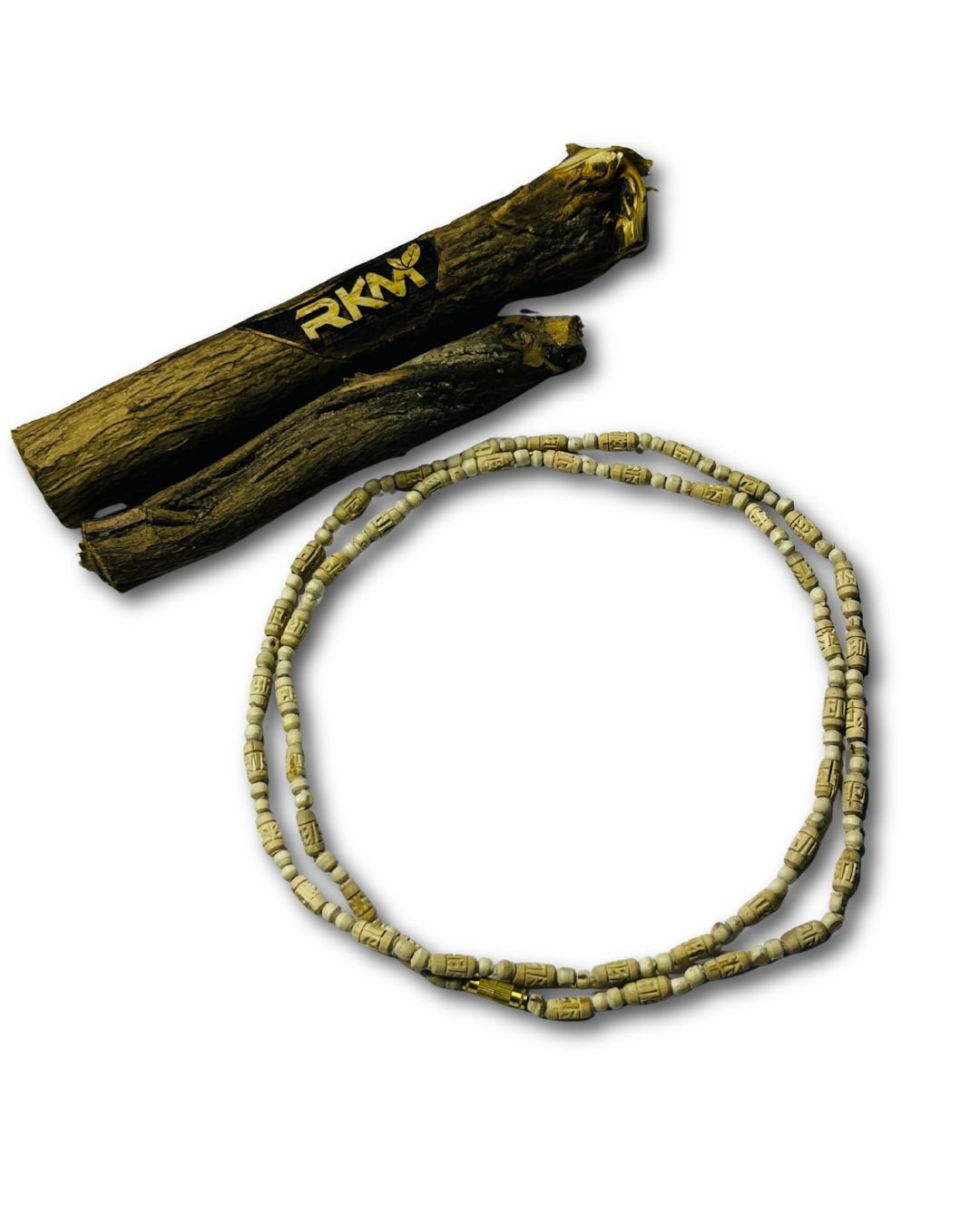
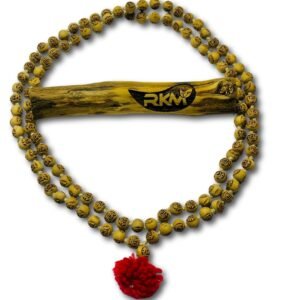
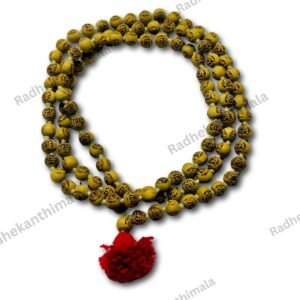
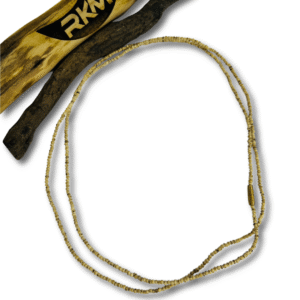
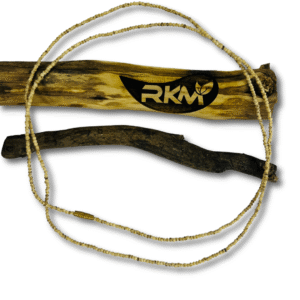
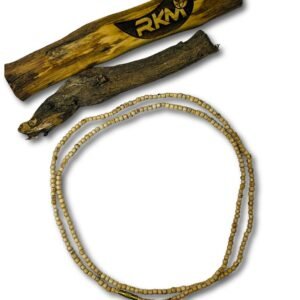
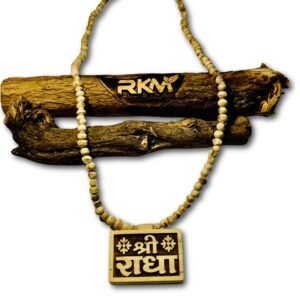
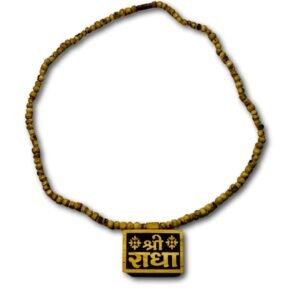
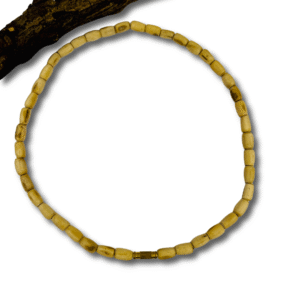
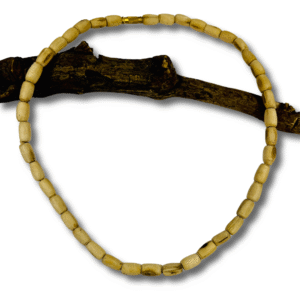
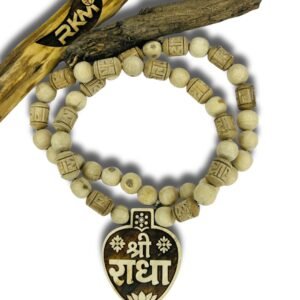
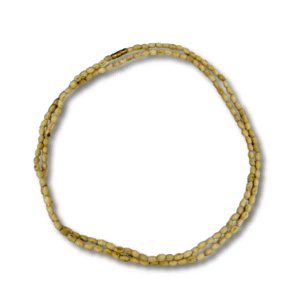
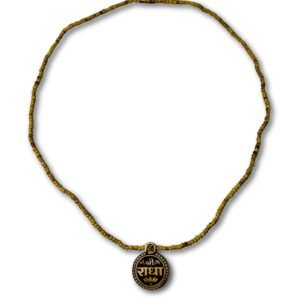
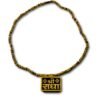
Radha Dana Tulsi Mala is a sacred Vaishnav neck mala crafted from pure tulsi wood beads, symbolizing devotion to Srimati Radharani and Lord Krishna. This Original Radha Tulsi Kanthi is lightweight, natural, and comfortable for daily spiritual wear, helping maintain constant remembrance, purity, and devotional identity in bhakti practice.
Radha Dana Tulsi Mala — Sacred Expression of Vaishnav Devotion
The Radha Tulsi Mala represents a sacred devotional ornament deeply rooted in the Vaishnav spiritual tradition. Crafted from sanctified tulsi wood beads, this mala is not merely an accessory but a symbol of surrender, humility, and divine connection. Devotees who wear a tulsi mala around the neck embrace a visible reminder of their relationship with Shri Radha and Lord Krishna, carrying divine remembrance throughout daily life.
The Radha Tulsi Kanthi is especially cherished among followers of bhakti traditions because it reflects loving devotion toward Srimati Radharani, the supreme embodiment of devotion itself. Wearing this mala signifies acceptance of divine protection and guidance, allowing the devotee to remain spiritually aligned amid worldly responsibilities. As a real Tulsi mala, it holds sacred vibrations believed to purify the mind and heart.
Within Vaishnav culture, the Original Radha Tulsi Mala serves as a gentle yet powerful declaration of faith. It expresses dedication to divine love and spiritual discipline while encouraging constant remembrance of Radha-Krishna consciousness. Whether worn daily or during prayer, this tulsi kanthi mala becomes an inseparable part of a devotee’s spiritual identity.
Spiritual Symbolism of the Radha Tulsi Kanthi
The Radha Kanthi Mala carries profound symbolic meaning within devotional practice. Tulsi is revered as sacred and beloved to Lord Krishna, and when shaped into a neck mala, it becomes a living emblem of devotion. Each bead represents humility, surrender, and loving service — qualities embodied perfectly by Srimati Radharani. Thus, wearing a Tulsi mala reflects the aspirational path of devotion.
In Vaishnav understanding, the circular form of the mala symbolizes eternal devotion without beginning or end. The Vaishnav Tulsi Kanthi resting near the throat region is believed to protect speech, encouraging purity in words and thoughts. Devotees feel spiritually guarded and constantly reminded to speak truthfully and compassionately.
The sacred nature of tulsi wood also contributes to the mala’s symbolism. A pure tulsi mala is traditionally associated with spiritual protection, calmness, and divine remembrance. When worn with sincerity, the Radha Dana Tulsi Mala becomes more than an object — it becomes a devotional companion guiding the wearer toward inner peace and devotion.
Tulsi Wood Purity in Radha Dana Tulsi Mala
The sanctity of the Original Radha Tulsi Mala originates from the sacred tulsi plant, honored in devotional scriptures as spiritually potent and purifying. Tulsi wood beads are naturally lightweight, warm, and organic, making them ideal for devotional wear. A real Tulsi mala carries the natural fragrance and texture of sacred wood, reinforcing authenticity and spiritual purity.
Unlike synthetic or decorative beads, tulsi wood remains spiritually significant because it is connected to worship traditions. Devotees value a tulsi kanthi mala for its natural origin and sacred association rather than ornamentation. The simplicity of tulsi beads reflects humility, an essential quality in bhakti practice.
The Radha Kanthi Mala, made from pure tulsi wood, is traditionally handled with reverence. It is often kept clean, respected, and worn with mindful awareness. This respect for sacred material strengthens the devotional bond between the wearer and the divine, allowing the mala to function as a constant spiritual anchor.
Radha Devotion Meaning in the Vaishnav Tradition
Within bhakti philosophy, Srimati Radharani represents the highest expression of love and devotion toward Lord Krishna. The Radha Dana Tulsi Kanthi symbolizes alignment with this supreme devotional mood. Wearing it expresses the desire to follow the path of selfless love, compassion, and surrender demonstrated by Radha.
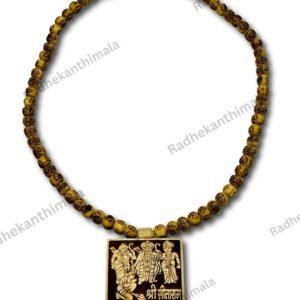
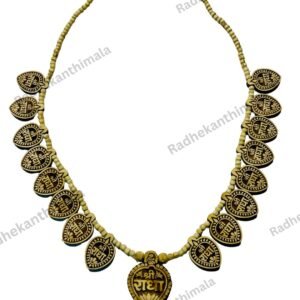
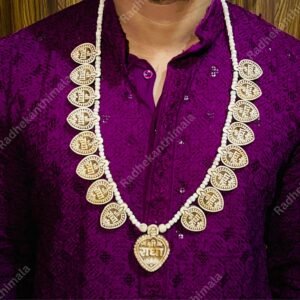
The Big Radha Tulsi Mala or traditional Radha kanthi styles are often chosen by devotees seeking a stronger external reminder of spiritual identity. The presence of Radha’s name within the mala’s identity emphasizes devotion centered on loving service rather than ritual alone. This makes the mala deeply meaningful beyond its physical form.
Devotees believe that wearing the Radha Dana Tulsi Mala invokes divine remembrance throughout the day. It gently encourages the heart to remain connected with Radha-Krishna consciousness, transforming ordinary actions into devotional offerings. Over time, this continuous remembrance strengthens faith and emotional devotion.
Vaishnav Identity and the Radha Kanthi Mala
The Vaishnav Tulsi Kanthi is traditionally recognized as an external mark of belonging to the Vaishnav spiritual lineage. Wearing a Tulsi mala signifies acceptance of devotional discipline and spiritual guidance. It represents humility before the divine and willingness to follow a path centered on bhakti.
The Radha Kanthi Mala also creates a sense of spiritual community. Across temples and devotional gatherings, devotees wearing tulsi kanthi malas recognize one another through this shared symbol of faith. This visible identity fosters unity and mutual respect within the devotional tradition.
Beyond social recognition, the mala nurtures personal commitment. A pure tulsi mala around the neck serves as a constant reminder to live ethically, speak kindly, and act with compassion. Thus, the Original Radha Tulsi Mala becomes both a spiritual emblem and a personal vow of devotion.
Devotional Benefits of Radha Tulsi Kanthi
- Encourages constant remembrance through the Radha Dana Tulsi Mala worn daily
- Represents surrender and devotion through the Radha Kanthi Mala
- Strengthens spiritual identity with the Vaishnav Tulsi Kanthi
- Supports purity of speech and conduct via the Radha Tulsi Kanthi
- Deepens emotional devotion using the Original Radha Tulsi Mala
- Provides sacred protection associated with the Big Radha Dana Tulsi Mala
Craftsmanship of the Radha Dana Tulsi Mala
The beauty of the Radha Kanthi Mala lies in its simplicity and sacred craftsmanship. Each bead is traditionally shaped from authentic tulsi wood, preserving the natural grain and texture that devotees associate with purity and devotion. Unlike ornamental jewelry, a tulsi kanthi mala is valued for its spiritual authenticity rather than decorative complexity. The handcrafted nature of the mala reflects patience, care, and reverence toward sacred material.
Artisans preparing the Original Radha Tulsi Mala usually follow devotional practices while shaping and stringing the beads. This mindful process maintains the sanctity of the mala and ensures it remains aligned with Vaishnav traditions. The spacing of beads, symmetry of form, and secure threading all contribute to durability while preserving the organic character of tulsi wood.
The gentle variations seen in a real tulsi mala — slight differences in bead shape or color — are signs of authenticity rather than imperfection. These natural features enhance the spiritual charm of the Radha Tulsi Kanthi, reminding devotees that sacredness resides in purity and intention rather than uniformity.
Comfort Wearing Experience in Daily Devotion
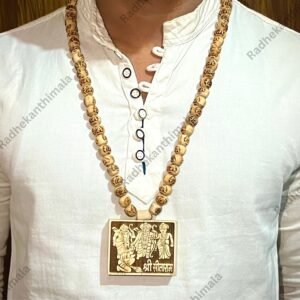
The Radha Tulsi Mala is designed to be worn comfortably throughout the day, making it suitable for continuous devotional remembrance. Tulsi wood beads are lightweight and smooth, allowing the mala to rest naturally around the neck without strain. This ease of wearing encourages devotees to keep the tulsi mala on during routine activities, sustaining spiritual awareness.
A well-crafted Vaishnav Tulsi Kanthi maintains balanced bead distribution, preventing twisting or uneven pressure. The softness of tulsi wood against the skin creates a gentle tactile reminder of devotion. Over time, devotees often feel emotionally attached to their mala, associating its presence with calmness and reassurance.
The Big Radha Tulsi Mala styles, while visually prominent, remain comfortable due to the organic lightness of tulsi. This combination of visibility and ease supports both external identity and internal devotion, allowing the wearer to remain spiritually connected without discomfort.
Discipline Support Through Sacred Reminder
Wearing the Radha Kanthi Mala serves as a constant spiritual reminder that encourages discipline in thought, speech, and behavior. The presence of a tulsi mala near the throat region is traditionally associated with mindful communication, inspiring devotees to speak truthfully and compassionately. This gentle awareness gradually strengthens ethical conduct.
The Radha Tulsi Kanthi also supports devotional routines such as chanting, prayer, and remembrance. Feeling the beads during daily movement can prompt moments of reflection or mantra recitation. In this way, the mala acts as a subtle anchor that reconnects the mind to spiritual purpose throughout the day.
Devotees often report that wearing a pure tulsi mala reinforces commitment to devotional practices. The Original Radha Tulsi Mala becomes a symbolic vow, encouraging consistency and sincerity in spiritual life.
Lineage Tradition and Vaishnav Continuity
The Vaishnav Tulsi Kanthi has long been recognized as a sign of belonging to the Vaishnav spiritual lineage. Wearing the Radha Tulsi Mala connects the devotee to generations of practitioners who have embraced tulsi kanthi malas as marks of devotion. This continuity strengthens faith by linking personal practice with a living tradition.
In many devotional communities, receiving or wearing a Radha Kanthi Mala symbolizes acceptance of spiritual guidance. It represents humility and willingness to follow the path of bhakti under divine protection. Such lineage symbolism transforms the mala into more than a personal ornament — it becomes a sacred inheritance.
The enduring presence of tulsi malas in Vaishnav practice demonstrates their spiritual relevance across centuries. The Radha Tulsi Kanthi thus embodies both personal devotion and collective tradition, preserving sacred identity through time.
Durability and Longevity of Tulsi Wood Mala
Despite its organic nature, a well-crafted Original Radha Tulsi Mala offers lasting durability when treated with care. Tulsi wood beads are naturally resilient and lightweight, resisting breakage under normal devotional use. Secure threading and balanced bead arrangement further enhance longevity.
A real tulsi mala may gradually develop a deeper tone with wear, reflecting natural aging rather than deterioration. Many devotees consider this gentle change a sign of lived devotion, as the mala accompanies daily spiritual life. The evolving appearance of the Radha Dana Tulsi Mala thus carries sentimental and devotional value.
Proper respect — keeping the mala clean and handling it mindfully — helps preserve its condition for years. The durability of the Radha Dana Tulsi Mala ensures that it can remain a lifelong spiritual companion, supporting devotion across different stages of life.
Practical Devotional Benefits of Radha Tulsi Kanthi
- Enhances devotional discipline through the Radha Kanthi Mala
- Provides comfortable daily wear with the Radha Tulsi Mala
- Connects lineage identity via the Vaishnav Tulsi Kanthi
- Supports mindful speech through the Radha Tulsi Kanthi
- Offers lasting spiritual companionship in the Original Radha Tulsi Mala
- Combines visibility and comfort in the Big Radha Tulsi Mala
Spiritual Lifestyle Centered on the Radha Dana Tulsi Mala
A devotional lifestyle in the Vaishnav tradition is built upon remembrance, humility, and loving service. The Radha Dana Tulsi Mala naturally supports this spiritual orientation by remaining close to the heart throughout daily life. Wearing a tulsi mala encourages the devotee to approach ordinary activities with sacred awareness, transforming routine actions into offerings of devotion.
The presence of the Radha Dana Tulsi Mala around the neck often influences lifestyle choices in subtle ways. Devotees become more mindful of speech, behavior, and intention, aligning their conduct with spiritual values. This continuous reminder strengthens the aspiration to live gently, honestly, and compassionately — qualities associated with the bhakti path.
Over time, the Vaishnav Tulsi Kanthi becomes integrated into personal identity. It is not perceived merely as something worn but as a reflection of inner commitment. The Tulsi Kanthi Mala thus supports a lifestyle rooted in devotion, guiding the wearer toward consistent spiritual awareness in every environment.
Emotional Connection with the Radha Tulsi Kanthi
The Radha Dana Tulsi Mala often develops deep emotional significance for devotees. Because it accompanies daily prayer, meditation, and remembrance, the mala becomes associated with moments of peace, surrender, and spiritual comfort. This emotional bond strengthens faith and reinforces devotional attachment.
Touching or adjusting the Radha Dana Tulsi Mala during the day can evoke feelings of reassurance and divine presence. Such tactile connection makes the mala a gentle source of emotional grounding, especially during stress or distraction. A real Tulsi mala thus functions as both a spiritual symbol and an emotional support.
Many devotees consider their Original Radha Dana Tulsi Mala a personal sacred companion. It witnesses the wearer’s spiritual journey, sharing moments of joy, struggle, and devotion. This evolving relationship deepens the heart’s connection with Radha-Krishna consciousness.
Sacred Value Beyond Material Ornament
The Radha Kanthi Mala holds sacred value that transcends material worth. Tulsi wood itself is revered in devotional tradition, and when shaped into a neck mala, it becomes an object of spiritual respect. Devotees do not regard a tulsi mala as decorative jewelry; instead, they treat it with reverence and gratitude.
The simplicity of the Radha Dana Tulsi Mala reflects a central principle of bhakti — purity over opulence. The natural beads symbolize humility and sincerity, emphasizing devotion rather than display. This sacred valuation distinguishes a pure tulsi mala from ornamental accessories.
Because of this spiritual meaning, the Vaishnav Tulsi Kanthi is often handled mindfully, kept clean, and worn with respectful awareness. Such reverence reinforces the perception of the mala as sacred rather than material, strengthening the devotee’s inner attitude of humility.
Daily Remembrance Through the Radha Dana Tulsi Mala
One of the most profound roles of the Radha Dana Tulsi Mala is to encourage constant remembrance of the divine. Radha dana Tulsi Mala Positioned near the throat and heart, the mala remains within awareness during movement, speech, and prayer. This proximity naturally prompts reflection on devotion and spiritual purpose.
The Radha Dana Tulsi Mala can inspire spontaneous mantra recollection or inward prayer throughout the day. Even brief awareness of the tulsi mala can redirect attention toward devotion, gradually cultivating a habit of remembrance. Over time, this practice strengthens the inner connection with Radha-Krishna.
The Big Radha Dana Tulsi Mala styles further enhance visibility, making the devotional reminder more prominent. Such visibility supports both personal remembrance and shared spiritual identity within devotional communities.
Devotional Continuity Across Life’s Journey
The Original Radha Tulsi Mala often accompanies devotees across many stages of life, symbolizing continuity in spiritual practice. Whether during prayer, daily duties, or pilgrimage, the tulsi kanthi mala remains a constant companion. This continuity reinforces the sense that devotion is lifelong rather than occasional.
As years pass, the Radha Dana Tulsi Mala may subtly change in color or texture due to natural wear. Devotees often cherish these changes as signs of lived devotion, reflecting shared time and experience. The mala thus becomes a tangible record of a spiritual journey.
Through continuity of use, the Vaishnav Tulsi Kanthi connects past, present, and future devotion. It represents steadfast faith carried through changing circumstances, reminding the wearer that spiritual connection endures beyond temporary conditions.
Devotional Value of Radha Tulsi Kanthi
- Supports a devotional lifestyle through the Radha Tulsi Mala
- Creates emotional reassurance via the Radha Tulsi Kanthi
- Represents sacred simplicity in the Radha Kanthi Mala
- Encourages constant remembrance with the Vaishnav Tulsi Kanthi
- Preserves lifelong devotion in the Original Radha Tulsi Mala
- Strengthens visible identity through the Big Radha Tulsi Mala
FAQs — Radha Dana Tulsi Mala
1. What is the spiritual meaning of the Radha Dana Tulsi Mala?
The Radha Dana Tulsi Mala symbolizes devotion to Srimati Radharani and alignment with the path of loving service in the Vaishnav tradition. Wearing a tulsi mala represents humility, surrender, and constant remembrance of Radha-Krishna consciousness.
2. Who can wear a Radha Kanthi Mala?
Anyone who follows or feels connected to Vaishnav devotion can wear a Radha Kanthi Mala. Traditionally, devotees wear a tulsi kanthi mala as a sign of spiritual identity and dedication to bhakti practice.
3. Is the Original Radha Dana Tulsi Mala made from real tulsi wood?
Yes, an authentic Original Radha Dana Tulsi Mala is crafted from sacred tulsi wood beads. A real Tulsi mala has natural texture, a lightweight feel, and organic variation, reflecting its purity and devotional origin.
4. Can the Radha Tulsi Kanthi be worn daily?
Yes, the Radha Tulsi Kanthi is designed for continuous wear. Devotees commonly keep a tulsi mala around the neck throughout daily activities to maintain spiritual awareness and remembrance.
5. What is the difference between Radha Tulsi Mala and Vaishnav Tulsi Kanthi?
The Radha Tulsi Mala emphasizes devotion to Srimati Radharani, while Vaishnav Tulsi Kanthi is a broader term for tulsi neck malas worn in the Vaishnav lineage. Both are Tulsi Kanthi mala forms expressing devotional identity.
6. Does wearing a Big Radha Tulsi Mala have special significance?
A Big Radha Tulsi Mala offers a stronger visible identity and a reminder of devotion. Some devotees prefer larger tulsi mala styles to maintain constant awareness of their spiritual commitment.
7. How should the Radha Kanthi Mala be cared for?
The Radha Kanthi Mala should be kept clean, respected, and handled mindfully. As a pure tulsi mala, it is treated as sacred rather than decorative, preserving both its physical condition and devotional significance.
Related products














You may add any content here from XStore Control Panel->Sales booster->Request a quote->Ask a question notification
At sem a enim eu vulputate nullam convallis Iaculis vitae odio faucibus adipiscing urna.
Reviews
There are no reviews yet.